Iraq Signs Halliburton Deal to Develop Basra Oil Fields Ahead of Washington Visit
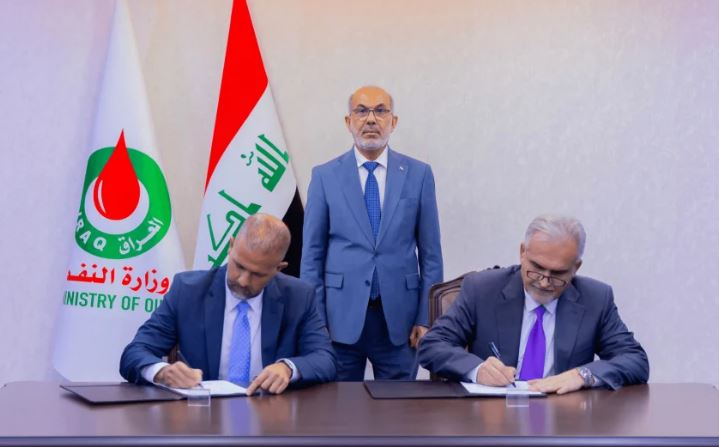
The Iraqi government has signed a joint management agreement with U.S. oil services company Halliburton to develop the Bin Omar and Sinbad oil fields in Basra Province, in a move aimed at increasing the country’s oil and gas production capacity.
According to Iraq’s Ministry of Oil, the agreement was signed between the state-owned Basra Oil Company and Halliburton on Sunday. The ministry described the partnership as part of the government’s broader strategy to strengthen Iraq’s energy sector and maximize production from its major southern oil fields.
Iraqi Oil Minister Bassem Khodeir said the agreement supports the government’s plans to expand oil and gas output and improve the efficiency of field management.
Under the agreement, Iraq plans to increase production at the Bin Omar oil field by approximately 150,000 barrels per day (bpd) within the next five years. The project is also expected to produce around 300 million cubic feet of associated natural gas.
Production at the Sinbad oil field is projected to rise by between 80,000 and 100,000 barrels per day, further enhancing Iraq’s overall crude oil capacity.
The agreement comes as the Iraqi government, led by Prime Minister Ali Al-Zaidi, continues efforts to expand the country’s oil sector and seeks a higher production quota within the Organization of the Petroleum Exporting Countries (OPEC). Baghdad has argued that Iraq’s quota should reflect the damage sustained by its energy industry during decades of conflict as well as the economic consequences of the recent Middle East war.
Oil remains the backbone of Iraq’s economy, accounting for approximately 90 percent of government revenues, making increased production a key priority for the new administration.
The Halliburton agreement was signed ahead of Prime Minister Al-Zaidi’s expected visit to Washington later this month. The visit is anticipated to focus on strengthening economic cooperation and encouraging greater U.S. investment in Iraq’s energy and infrastructure sectors as the country works to recover from recent economic setbacks, including revenue losses caused by the temporary suspension of oil exports during the regional conflict.