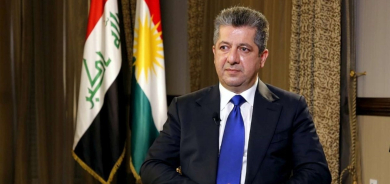
Dr. Volodymyr Dubovyk to Gulan: The Strategic Alliance Between the U.S. and Ukraine is hardly getting by
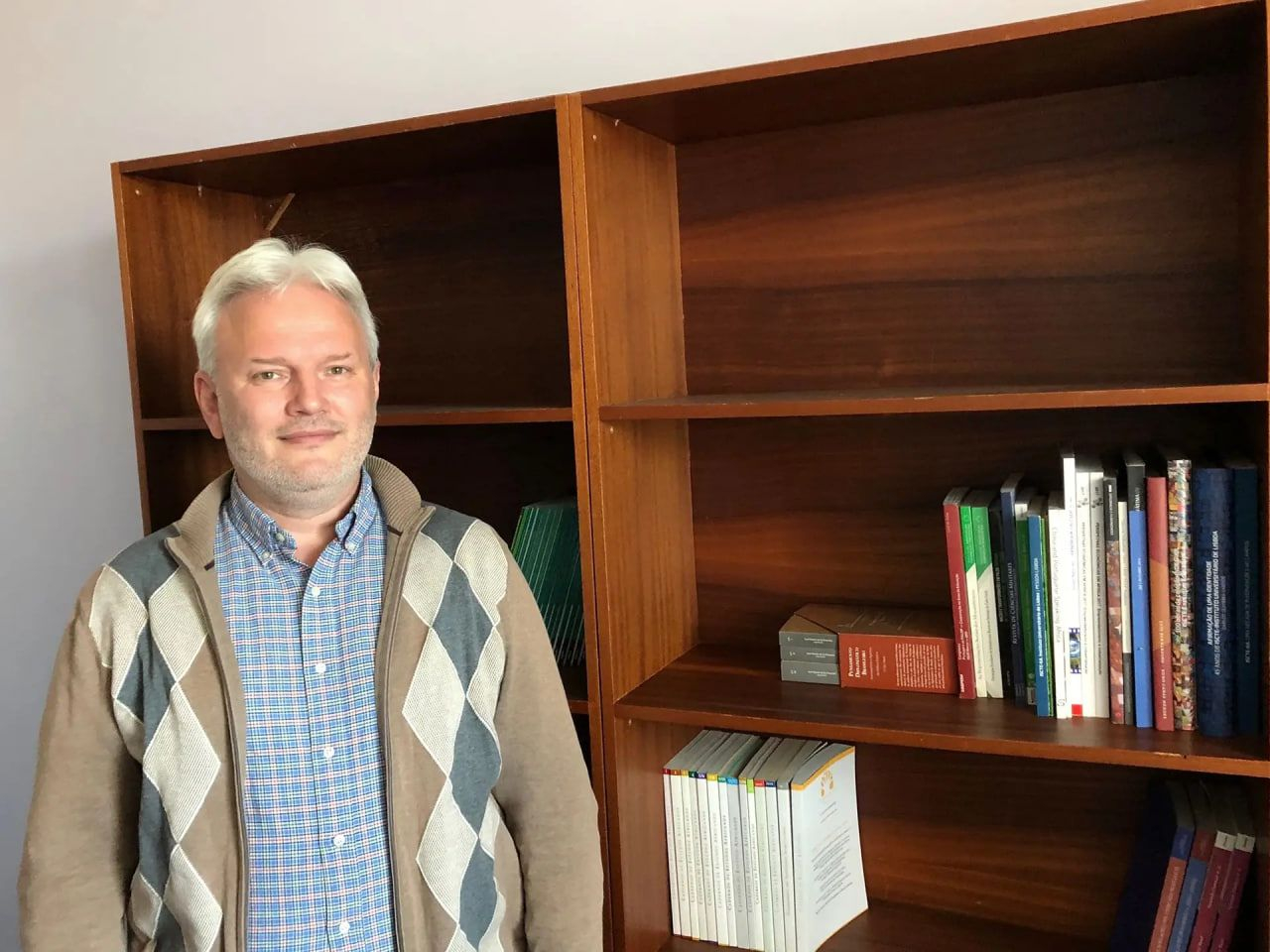
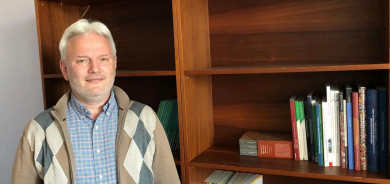
Volodymyr Dubovyk is an Associate Professor, Department of International Relations and Director of the Center for International Studies, Odesa I. I. Mechnikov National University (Ukraine). V. Dubovyk has conducted research at the Kennan Institute, Woodrow Wilson International Center for Scholars (1997, 2006-2007), at the Center for International and Security Studies at the University of Maryland (2002), taught at the University of Washington (Seattle) in 2013 and at St. Edwards university/University of Texas (Austin) in 2016-17. He is the co-author of “Ukraine and European Security” (Macmillan, 1999) and has published numerous articles on US-Ukraine relations, regional and international security, and Ukraine’s foreign policy. Areas of expertise: Ukraine, Transatlantic Relations, U.S., Black Sea security. In an exclusive interview He answered our questions like the following:
Gulan: After more than three years of the conflict, has Russia's invasion significantly altered the global order, or has it only revealed long-standing structural flaws in the international security framework?
Dr. Volodymyr Dubovyk: I think that Russian aggression has revealed those flaws and realities in a way and on a scale that we have not quite witnessed before. It surely is having implications for the European and Euroatlantic security, but its reverberations are felt well beyond as well. Did it actually alter the global order? The answer to that question will be known in time, eventually, and will depend on the reactions and actions of other players, not just what Russia did.
Gulan: Ukraine's worldwide position has changed as a result of its resistance. What role do you think Ukraine will play in the future European and international security architecture, and how has the war changed Ukraine's foreign policy priorities?
Dr. Volodymyr Dubovyk: Well, Ukraine’s foreign policy priorities right now are fully focused on the war, and what it needs for its war effort. If anything, moving away from the Russian sphere of influence and into the European and Euroatlantic integration structures has become not just a mere question of a choice or political debate, but a matter of the existential nature.
Gulan: How strong is the strategic alliance between the United States and Ukraine in light of the changing political climate in Washington? How much should Kyiv get ready for the prospect of changing U.S. foreign policy priorities?
Dr. Volodymyr Dubovyk: The strategic alliance is not in great shape right now. It is hardly getting by. Yet, there are, perhaps, still benefits of being engaged with Washington. But not putting all eggs into one basket is clearly an obvious leasing for Ukraine.
Gulan: With ramifications that go well beyond Eastern Europe, the Black Sea has emerged as one of the most strategically disputed areas in the globe. How important do you think it is for international trade, regional stability, and the future balance of power between Russia and the West?
Dr. Volodymyr Dubovyk: The Black Sea is vital for all of those things. First of all, for the countries situated in the region, but also beyond it. There is an ongoing power struggle here, between Ukraine and Russia. Its outcome will to a large extent determine the landscape for the region in the future.
Gulan: Different stances among key emerging powers, the Global South, and Western allies have been exposed by the international reaction to the war. What does this discrepancy suggest about the future of the rules-based international order and the evolving character of multinational alliances?
Dr. Volodymyr Dubovyk: Well, there was always some discrepancy in place. Which in a way is only natural due to the diverging local, regional agendas and interests of players. It seems that the battle of narratives about this war will continue around the world. Ukraine strives to be heard too, but it is not easy.
Gulan: Many commentators argue that the war has expanded into a larger geopolitical struggle between authoritarian and democratic nations. Do you think the conflict is ultimately motivated by more conventional geopolitical interests, or do you agree with this description?
Dr. Volodymyr Dubovyk: I do agree with this description to a large extent. Certainly, this war is not just about a choice of political model or societal development. But is also about norms and values, human rights, democratic institutions, etc.
Gulan: What will be Ukraine's biggest obstacle if and when hostilities end? Rebuilding its institutions and economy, obtaining long-term security assurances, or negotiating the difficult politics of post-war reconciliation and reconstruction?
Dr. Volodymyr Dubovyk: All of the above will be difficult. And unprecedented. Ukraine will need all of this and more to go on in the future. One of the issues for Ukraine would be also a demographic one, return of those Ukrainians who found temporary protection abroad home.
Gulan: How do you envision the battle playing out in the end as it moves into another crucial stage? What is the most likely course of action to put an end to the conflict, in your opinion, and what military, diplomatic, or political developments will decide whether the result is a lasting peace or just another phase of frozen instability?
Dr. Volodymyr Dubovyk: The final outcome will be determined to a large extent by the dynamic at the battleground. The war attrition will most probably continue for a while, exhausting both sides. That is why it is important to support Ukraine so that it does not exhaust the first one in this conflict. Whatever outcome there will be I have my doubts that we would get a viable and lasting peace.