Iraq Boosts Southern Oil Exports as Baghdad Pursues Alternative Routes Amid Hormuz Disruptions
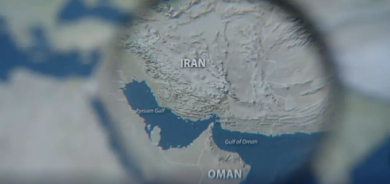
Iraq significantly increased crude oil exports through its southern ports in June as the government continued efforts to offset disruptions caused by instability in the Strait of Hormuz, according to the head of the State Organization for Marketing Oil (SOMO).
Speaking to Rudaw on Sunday, SOMO Director General Ali Nizar said that more than 25 million barrels of crude oil were exported through Iraq's southern ports during the month. He added that Baghdad has instructed designated oil tankers to load contracted volumes despite shipping operations through the Strait of Hormuz not yet returning to normal.
"The exports through the Strait of Hormuz have not yet returned to normal," Nizar said, noting that Iraq is working to maintain contractual export commitments through alternative means.
Iraq's oil exports have faced severe disruptions since the outbreak of military hostilities involving the United States, Israel, and Iran earlier this year. Although Washington and Tehran reached a ceasefire in April and extended the truce on June 18, restrictions and security concerns around the Strait of Hormuz continue to affect commercial shipping.
The conflict caused Iraqi oil exports from southern ports to fall sharply. Official figures show exports dropped to 10 million barrels in April, compared with the country's pre-conflict monthly average of approximately 92 million barrels.
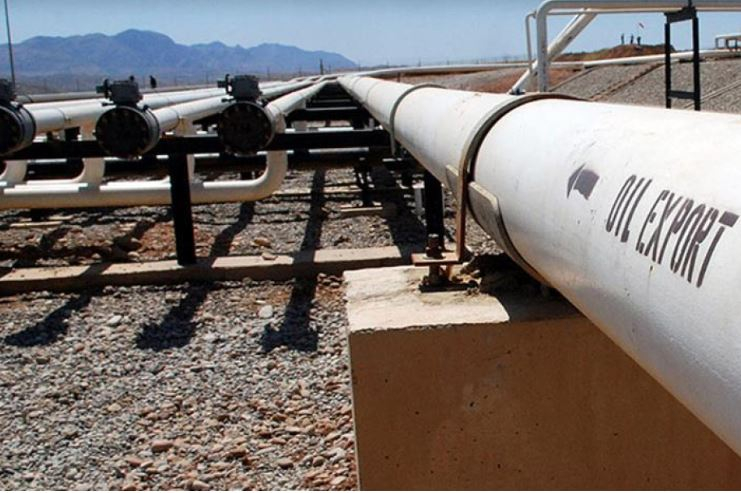
In response, Baghdad has accelerated efforts to diversify export routes, including increasing reliance on the Turkey-Iraq Pipeline (TIP), which transports crude from northern Iraq and the Kurdistan Region to Turkey's Mediterranean port of Ceyhan.
According to Nizar, exports through the pipeline currently range between 170,000 and 180,000 barrels per day, occasionally reaching 200,000 barrels per day. Most of the crude comes from Iraq's northern oil fields, as repeated attacks on oil infrastructure in the Kurdistan Region forced several international energy companies to suspend production.
The federal government and the Kurdistan Regional Government are working jointly to restore confidence among energy companies by strengthening security measures around oil facilities. Baghdad has pledged to install additional defense systems at key production sites, although companies have stated they will only resume full-scale operations once adequate security guarantees are in place.
Meanwhile, uncertainty remains over the future of Iraq's northern export route. The 1973 Iraq–Turkey pipeline agreement is scheduled to expire on July 27 after Turkey announced its termination in 2025, calling for a broader energy partnership that would also cover natural gas, electricity, and petrochemical cooperation.
The decision followed a 2023 arbitration ruling in Paris that found Turkey had violated the agreement by allowing exports of Kurdistan Region oil without Baghdad's approval.
Despite the dispute, Nizar expressed optimism that both countries are working toward a new agreement.
"Of course, this is what both Iraq and Turkey are striving for," he said.
The Iraqi government has established a committee to negotiate with Ankara on renewing the arrangement. While Baghdad has reportedly requested a one-year extension of the current agreement, Turkish authorities have so far declined the proposal.