WHO Declares Ebola Outbreak in DR Congo and Uganda an International Health Emergency
The World Health Organization has declared the Ebola outbreak in the Democratic Republic of the Congo and Uganda a “public health emergency of international concern,” warning that the crisis could be far larger than current reports suggest.
In a statement released Sunday, the WHO said the outbreak does not yet qualify as a pandemic emergency but stressed that countries sharing borders with the DRC face a high risk of further spread.
According to the UN health agency, the outbreak is linked to the Bundibugyo strain of the Ebola virus, which currently has no approved vaccine or specific treatment. Authorities in the DRC’s Ituri province reported 80 suspected deaths, eight laboratory-confirmed infections, and 246 suspected cases as of Saturday.
DRC Health Minister Samuel-Roger Kamba warned that the Bundibugyo strain carries a “very high lethality rate,” which can reach up to 50 percent.
Meanwhile, Uganda’s capital, Kampala, recorded two laboratory-confirmed Ebola cases, including one death, involving travelers arriving from the DRC.
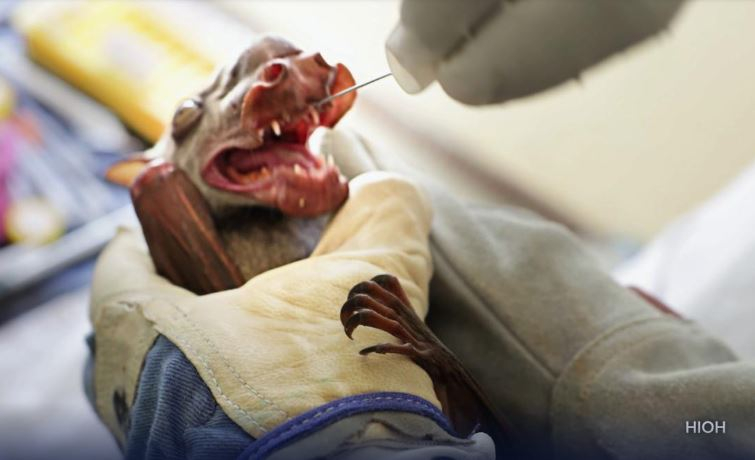
Ebola, believed to have originated in bats, spreads through direct contact with bodily fluids or infected blood. The disease can cause severe internal bleeding, organ failure, and death.
This marks the 17th Ebola outbreak in the DRC, a country that has faced repeated epidemics over recent decades. Across Africa, Ebola has claimed around 15,000 lives in the past 50 years.
The WHO warned that the true scale of the outbreak may be much greater than official figures indicate, citing high positivity rates in early samples and a growing number of suspected infections.
Medical aid organization Doctors Without Borders described the rapid spread as “extremely concerning” and announced preparations for a large-scale emergency response.
The WHO also urged neighboring countries to strengthen disaster-response systems, increase cross-border health screening, and prepare emergency measures to contain the virus.
However, the organization advised against closing borders or imposing travel and trade restrictions, warning that such actions could drive people toward informal and unmonitored crossings, potentially worsening the spread of the disease.