Iran Condemns Planned US Naval Blockade, Threatens Control Over Strait of Hormuz
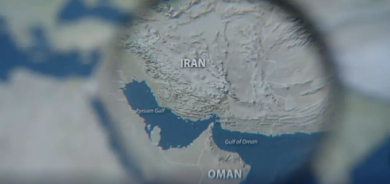
Iran on Monday strongly condemned a planned United States naval blockade targeting vessels traveling to and from Iranian ports, describing the move as “maritime piracy” and warning that it may prevent ships linked to its adversaries from passing through the strategic Strait of Hormuz.
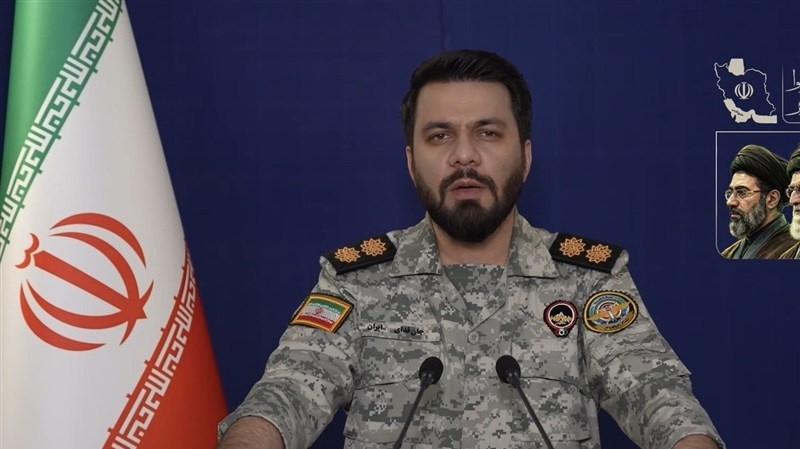
Ebrahim Zolfaghari, spokesperson for the Khatam al-Anbiya Central Headquarters, Iran’s highest military coordination body, stated that security in the Persian Gulf and the Sea of Oman “must be for all or for no one.” According to Iranian media reports, Zolfaghari warned that Iran would not allow vessels affiliated with “enemy countries” to pass through the Strait of Hormuz.
He said Tehran would fully enforce its sovereignty over regional waters, adding that only ships with no links to adversaries would be allowed transit—and even those would be subject to conditions set by Iranian armed forces.
Zolfaghari also announced that Iran plans to implement what he called a “permanent mechanism” to control the strategic waterway, even after the current conflict ends. He described the measure as a defensive response to growing threats from Iran’s enemies.
The remarks came just hours after US President Donald Trump announced that Washington would impose a naval blockade on vessels heading to or departing from Iranian ports. According to Trump, the measure would take effect at 10:00 a.m. Eastern Time (1700 local time in Erbil), with US naval forces tasked with intercepting ships entering or exiting the Strait of Hormuz.
The announcement immediately unsettled global energy markets. Brent crude futures surged by $6.71, or 7.05%, reaching $101.91 per barrel, reversing losses from the previous trading session. Investors expressed concern that escalating tensions could disrupt oil flows through the Strait of Hormuz, one of the world’s most critical energy corridors.
Meanwhile, Esmail Qaani, commander of Iran’s Islamic Revolutionary Guard Corps (IRGC) Quds Force, said the United States and Israel would eventually leave the region “empty-handed.” Speaking to Iran’s Tasnim news agency, Qaani claimed that the so-called “Axis of Resistance” remains cohesive and operationally strong across the Middle East.
He referenced previous confrontations in Yemen, the Bab al-Mandab Strait, and the Red Sea, arguing that increased pressure has historically strengthened Iran-aligned groups rather than weakening them.
The latest escalation comes amid a widening conflict that began on February 28, when US and Israeli forces launched strikes against Iranian targets. Within days, Iran-aligned groups—including Yemen’s Houthi movement, Lebanon’s Hezbollah, and armed factions in Iraq—became involved, significantly expanding the scope of the confrontation.