Sharp Decline in Iraq’s Oil Exports and Revenues Amid Strait of Hormuz Disruptions
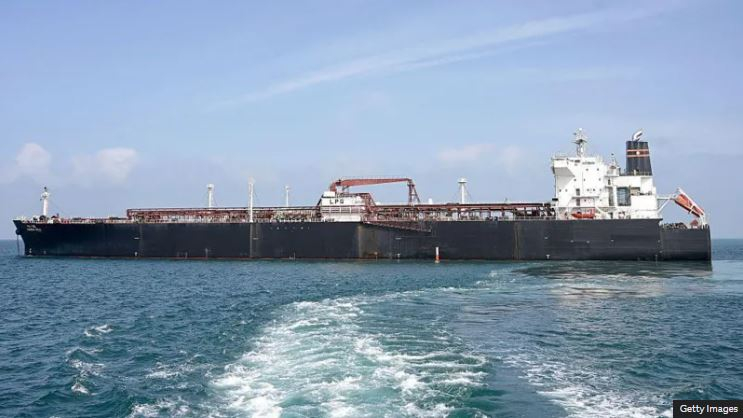
Iraq’s oil exports and revenues experienced a dramatic drop in March as maritime traffic disruptions in the strategic Strait of Hormuz severely limited the country’s ability to ship crude oil to global markets.
According to official data released Monday by the Iraqi Oil Ministry and the State Organization for Marketing of Oil (SOMO), Iraq exported 18.6 million barrels of crude oil and condensates in March, generating approximately $1.96 billion in revenue.
The figures represent a sharp decline of more than 80 percent compared with February, when Iraq exported over 99 million barrels, earning $6.81 billion.
The downturn followed restrictions imposed by Iran on maritime traffic through the Strait of Hormuz beginning March 8. The move came in response to a military campaign launched on February 28 by the United States and Israel.
Before the restrictions intensified, Iraq managed to export around 15 million barrels during the early days of March through the strait.
The Strait of Hormuz is one of the world’s most critical energy chokepoints, handling roughly 20 percent of global seaborne oil trade. Even after a two-week ceasefire between Washington and Tehran, maritime activity in the waterway has remained limited.
Prior to the crisis, Iraq exported approximately 3.4 million barrels per day, making oil the backbone of the country’s economy, accounting for about 90 percent of state revenues.
With southern export routes effectively halted, Baghdad has turned to alternative routes in the north.
Exports in March included:
14 million barrels from central and southern oil fields
1.2 million barrels from the Kurdistan Region via Ceyhan Port in Turkey
2.7 million barrels from Kirkuk through the same Turkish port
In mid-March, the federal government in Baghdad and the Kurdistan Regional Government (KRG) reached an agreement to resume exports of Kirkuk oil through the Kurdistan Region’s pipeline network to Turkey.
Exports through the Kurdistan pipeline had been suspended since March 2023, when an international arbitration ruling in Paris halted shipments to Turkey.
To mitigate the crisis, Iraq also began exporting oil through Syria in late March, transporting crude by tanker trucks through the al‑Waleed border crossing in Anbar Province.
The Iraqi Oil Ministry said that resuming northern exports could help “alleviate the severity of the crisis.”
Despite the ceasefire between the United States and Iran, the ministry stated last week that no tanker carrying Iraqi oil had passed through the Strait of Hormuz since the disruption began.
However, shipping data from the London Stock Exchange Group (LSEG) indicated that a tanker capable of carrying two million barrels of Iraqi crude transited the strait on Saturday, suggesting limited activity may be gradually resuming.