Fragile US–Iran Ceasefire at Risk as Israel Intensifies Strikes in Lebanon
A fragile two-week ceasefire between Iran and the United States appeared increasingly uncertain on Wednesday as tensions escalated across the Middle East. While both sides declared victory after agreeing to a temporary truce and negotiations, renewed violence and political disputes quickly threatened the agreement.
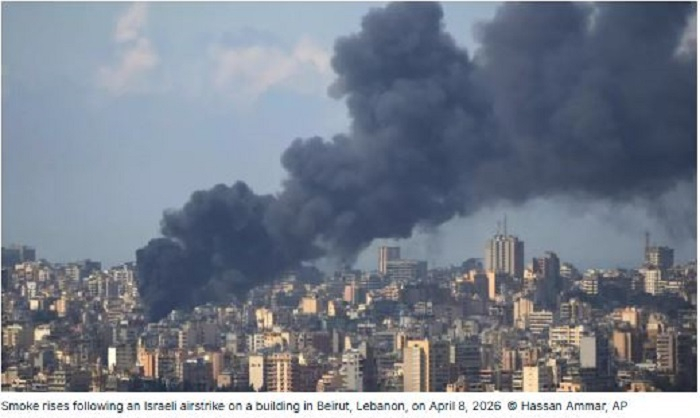
The ceasefire, announced after weeks of fighting that killed thousands and disrupted global markets, was intended to pause hostilities and create space for diplomatic talks. However, the situation deteriorated rapidly when Israel launched its heaviest strikes yet against targets in Lebanon.
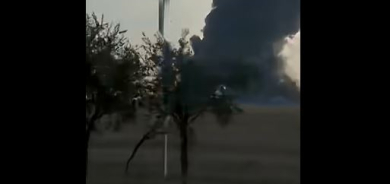
Lebanese authorities reported that at least 182 people were killed and nearly 900 injured in the latest wave of bombardments, including strikes in densely populated areas of central Beirut. Witnesses described scenes of panic as residents fled through smoke-filled streets following sudden explosions.
Israel stated that its operations against Hezbollah were not covered by the US–Iran ceasefire, arguing that the agreement applied only to direct confrontation between Washington and Tehran. The position was echoed by US Vice President JD Vance, who said Iran should not derail negotiations over a conflict that the United States did not include in the truce.
Meanwhile, Iran’s parliament speaker Mohammad Bagher Ghalibaf warned that the basis for negotiations had already been violated, suggesting that further talks might be “unreasonable.”
The fragile truce was brokered just hours before a deadline set by US President Donald Trump. However, disagreements quickly surfaced over the terms of the agreement, with a senior US official saying Iran’s proposed 10-point plan differed from the conditions Washington had accepted to pause the war.
In Lebanon, the scale of the destruction prompted alarm from the United Nations. UN human rights chief Volker Türk described the level of casualties as “horrific,” as airstrikes and bombardments struck multiple locations across Beirut without warning.
Since Israel began its offensive against Hezbollah last month, more than 1,700 people have been killed in Lebanon, according to local officials.
Iran’s powerful Islamic Revolutionary Guard Corps warned it would respond if Israeli attacks continued, while Hezbollah said it reserved the right to retaliate.
Israeli Prime Minister Benjamin Netanyahu said Israel remained ready to confront Iran if necessary, stating that the country still had “objectives to complete,” including the goal of disarming Hezbollah.
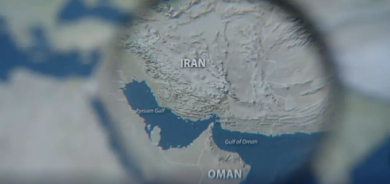
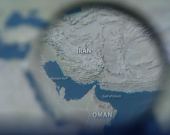
The conflict has also threatened one of the world’s most strategic energy routes, the Strait of Hormuz, through which roughly one-fifth of global oil supplies pass.
Iran initially agreed to reopen the waterway following pressure from Washington, but reports later suggested that shipping disruptions resumed, prompting the White House to demand that the strait be reopened immediately.
Meanwhile, Iranian state media reported new missile and drone attacks against several US-allied Gulf states, allegedly in retaliation for earlier strikes on Iranian oil facilities. Officials said infrastructure was damaged in Kuwait, while Saudi Arabia intercepted drones and Bahrain reported attacks near its capital, Manama. The United Arab Emirates said it had been targeted by multiple missiles and drones.
Efforts to salvage the ceasefire are continuing, with mediation led by Shehbaz Sharif, Prime Minister of Pakistan. High-level negotiations between Washington and Tehran are expected later this week.
Leaders from several European countries, alongside Canada and the United Kingdom, called for a swift and lasting end to the war, while Pope Leo described the ceasefire as a moment of “real hope.”
Despite these diplomatic efforts, major disagreements remain over Iran’s uranium enrichment program, economic sanctions, and control over the Strait of Hormuz. Analysts warn that unless these issues are resolved quickly, the fragile truce could collapse and push the region back into full-scale conflict.
Oil markets reacted immediately to the ceasefire announcement, with prices dropping 15 percent and European natural gas falling 20 percent, reflecting global hopes that the conflict might soon be contained.