Spain Reopens Embassy in Tehran After U.S.–Iran Ceasefire, Signals Diplomatic Re-Engagement
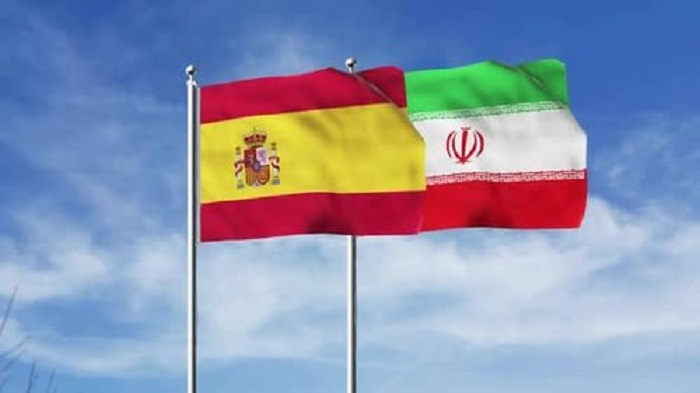
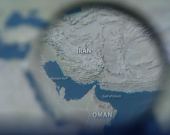
Spain has announced that it will reopen its embassy in Tehran following the recent ceasefire between the United States, Israel, and Iran, marking a renewed diplomatic effort to stabilize relations in the region after weeks of escalating conflict.
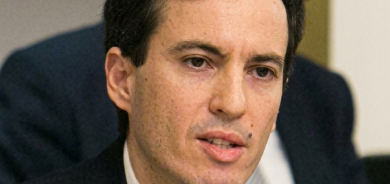
Spain’s Foreign Minister José Manuel Albares confirmed Thursday that the Spanish ambassador will return to Tehran to resume diplomatic operations.
“I have given instructions to our ambassador in Tehran to return, to resume his post and reopen the Spanish embassy in Tehran,” Albares told reporters in Madrid, adding that Spain intends to contribute “through all the means available” to ongoing peace efforts from inside Iran.
The Spanish embassy had been closed in March as tensions escalated during the conflict triggered by U.S.–Israeli strikes on Iranian targets. Spain was among several countries that temporarily withdrew diplomatic personnel as the regional situation deteriorated.
Spain’s decision comes as a fragile ceasefire begins to hold between Washington and Tehran, opening a tentative diplomatic window aimed at preventing further escalation across the Middle East.
European governments have increasingly advocated for de-escalation, citing concerns about regional instability and disruptions to global energy markets. By restoring its diplomatic presence in Tehran, Madrid hopes to support dialogue and help facilitate conflict-resolution efforts.
Despite the ceasefire, Spain’s position during the conflict has strained relations with the NATO alliance and particularly with the United States.
The government of Spanish Prime Minister Pedro Sánchez emerged as one of the strongest European critics of the U.S.-led military campaign against Iran. Spanish officials described the strikes as “unjustifiable” and warned they could trigger a wider regional war.
Madrid also refused to allow American forces to use jointly operated military bases in Spain for operations against Iran and later closed Spanish airspace to U.S. military aircraft involved in the campaign.
Spanish authorities argued that any use of Spanish territory for military operations would require a clear mandate under international law — a position they maintained despite pressure from Washington.
The dispute widened into a broader diplomatic rift after U.S. President Donald Trump threatened economic retaliation against Spain, including potential trade restrictions, while accusing NATO allies of failing to support Washington during the conflict.
The disagreement has highlighted divisions within NATO, as several European governments resisted direct involvement in the war.
Spanish officials, including Albares, defended the country’s stance as consistent with international law and multilateral diplomacy, stressing that Spain would not be “complicit” in military actions it believes could destabilize the region.
Despite the tensions with Washington, Spain’s decision to reopen its embassy signals an attempt to pursue a parallel diplomatic track focused on engagement with Tehran.