Drone Strike Hits Kuwait’s Key Oil Refinery Amid Escalating Regional Conflict
A major oil facility in Kuwait came under attack early Friday when hostile drones targeted the country’s largest refinery, raising fresh concerns about the security of Gulf energy infrastructure amid the ongoing conflict involving Iran, the United States, and Israel.
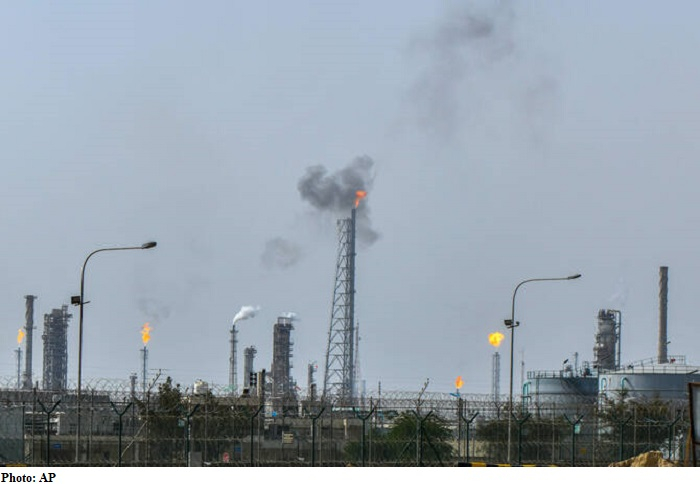
According to the Kuwait News Agency (KUNA), drones struck the Mina Al-Ahmadi Refinery in the early hours of Friday, igniting fires in several operational units of the facility. Emergency and firefighting teams were immediately dispatched to contain the blaze and prevent it from spreading to other sections of the refinery.
Officials confirmed that no injuries were reported. Precautionary measures were taken to ensure the safety of employees and to protect surrounding facilities.
The state-owned Kuwait Petroleum Corporation (KPC) said it is working closely with environmental authorities to monitor air quality around the refinery. Initial assessments indicate that no significant environmental damage has been recorded so far.
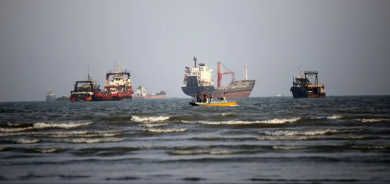
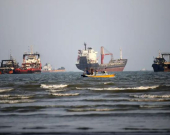
The refinery attack follows another incident earlier this week involving the massive Kuwaiti crude oil tanker Al Salmi crude oil tanker. According to KPC, the vessel was struck in what officials described as a “criminal Iranian attack” while anchored at the port of Dubai in the United Arab Emirates.
The tanker, which was fully loaded at the time of the incident, sustained damage to its hull and caught fire, raising concerns about a possible oil spill in Gulf waters. Authorities confirmed that there were no casualties and that a detailed technical assessment of the damage is currently underway.
The attacks occur against the backdrop of a broader regional conflict that erupted in late February after the United States and Israel launched a coordinated military campaign against Iran. According to United States Central Command (CENTCOM), more than 12,300 targets across Iran have been struck since the start of the operation.
In response, Tehran has carried out extensive retaliatory drone and missile strikes across the Middle East, targeting what it describes as U.S. and allied assets in the region, particularly in Gulf Arab states.
Since the beginning of the conflict, Kuwait has faced a series of attacks despite insisting it has not allowed its territory to be used for operations against Iran. Early in the conflict, Iranian drones targeted Kuwait International Airport and the Ali Al Salem Air Base.
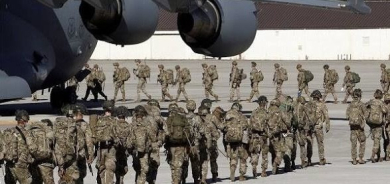
On March 1, a drone strike on the U.S. garrison at Camp Buehring and a missile attack near the Port of Shuaiba reportedly killed six American soldiers and wounded dozens more. Military facilities across the country continued to face attacks throughout March.
Missiles struck Camp Canada on March 2, damaging bunkers, while a later strike on an Italian garrison destroyed an MQ-9 Reaper drone and damaged two Eurofighter Typhoon fighter jets.
The conflict has also taken a toll on Kuwaiti forces, with two navy servicemen killed in early March and nearly 70 soldiers wounded by mid-month. Around the same time, the U.S. Embassy in Kuwait in Kuwait City reportedly came under attack.
By late March and early April, strikes increasingly targeted Kuwait’s economic and civilian infrastructure. The Mina Al-Ahmadi refinery itself had already been hit multiple times between March 19 and April 3, causing fires that threatened to disrupt oil production.
Additional attacks damaged six major power lines on March 12 and repeatedly struck Kuwait International Airport on March 24 and 28, severely damaging fuel storage tanks and radar systems.
According to Kuwait’s defense ministry, air defense systems have intercepted or engaged more than 664 Iranian drones, 312 ballistic missiles, and several cruise missiles since the start of the conflict.