Iran Responds to US 15-Point Proposal to End War, Expresses Skepticism
Iran has officially responded to a 15-point proposal from the United States aimed at ending the deadly conflict that has been ongoing since late February, according to reports from Iranian media affiliated with the Islamic Revolutionary Guard Corps (IRGC). However, Iranian officials have expressed deep skepticism about Washington’s intentions.
The response was reportedly delivered on Wednesday evening through intermediaries, according to Tasnim News Agency, which cited an informed source. The source stated that Tehran is now awaiting the response of the American side.
According to the report, Iran’s reply emphasized that acts of aggression and targeted assassinations carried out by the United States and Israel must cease. Tehran also insisted that objective guarantees be established to prevent the recurrence of war and demanded clearly defined compensation for damages caused during the conflict.
The current escalation began on February 28, when the United States and Israel launched a coordinated military campaign against Iran amid ongoing nuclear negotiations. According to United States Central Command (CENTCOM), the operation—named Operation Epic Fury—struck more than 10,000 targets across Iran. CENTCOM commander Brad Cooper stated that the strikes aimed to eliminate Iran’s ability to project power beyond its borders.
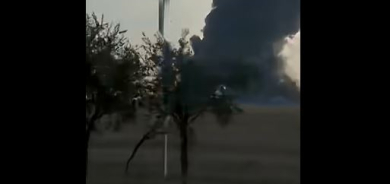
In response, Iran has carried out drone and missile attacks targeting alleged US assets across the Middle East, particularly in Gulf Arab states, and has launched retaliatory strikes against Israel.
Iranian-aligned groups across the region have also joined the confrontation. Iraqi armed factions linked to the so-called “Axis of Resistance” have claimed attacks on US interests in Iraq and the Kurdistan Region, while Hezbollah has launched strikes on northern Israeli territory since early March.
The source cited by Tasnim said Iran’s response calls for an end to hostilities “across all fronts,” including those involving allied groups engaged in the conflict throughout the region.
Tehran’s reply also reportedly demands recognition of Iran’s sovereignty over the strategic Strait of Hormuz, describing it as a natural and legal right. The Iranian side further stressed that any agreement must include firm guarantees ensuring the implementation of commitments by the opposing side.
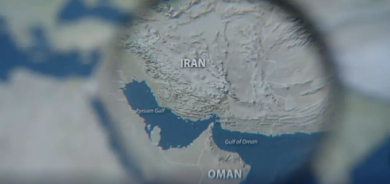
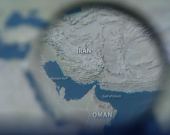
The Strait of Hormuz has effectively been closed to commercial traffic since late February after the IRGC warned that it would target ships attempting to pass through the waterway. The narrow passage connecting the Persian Gulf to the Gulf of Oman is widely considered one of the world’s most important energy chokepoints, handling roughly 25 percent of globally traded seaborne oil and about 20 percent of global petroleum consumption. It is also the primary route for nearly one-fifth of the world’s liquefied natural gas exports.
The development comes hours after US President Donald Trump urged Tehran to take negotiations seriously and finalize a deal quickly. Writing on his Truth Social platform, Trump claimed that Iran had been “militarily obliterated” and was seeking a deal to end the conflict.
“They better get serious soon, before it is too late,” Trump warned, adding that once certain developments occur, “there is no turning back.”
Earlier this week, Trump revealed that Washington had presented Tehran with a 15-point proposal to end the war. According to reports citing sources familiar with the discussions, the proposal includes demands that Iran curb its nuclear and missile programs and potentially transfer control of the Strait of Hormuz.
Iranian sources cited in media reports say Tehran has hardened its negotiating position since the conflict began. The country is reportedly seeking guarantees against future military action, compensation for wartime losses, and formal recognition of its authority over the Strait of Hormuz. Iran has also insisted that any ceasefire agreement include the situation in Lebanon.
Despite engaging in negotiations, Iranian officials reportedly view Washington’s proposal with suspicion. According to the Tasnim source, Tehran believes the US initiative may be a “deception” aimed at presenting a peace-seeking image to the international community while keeping global oil prices stable and buying time to prepare for further military action, potentially including a ground incursion in southern Iran.