Trump Warns NATO of ‘Very Bad’ Future if Allies Fail to Help Reopen Strait of Hormuz
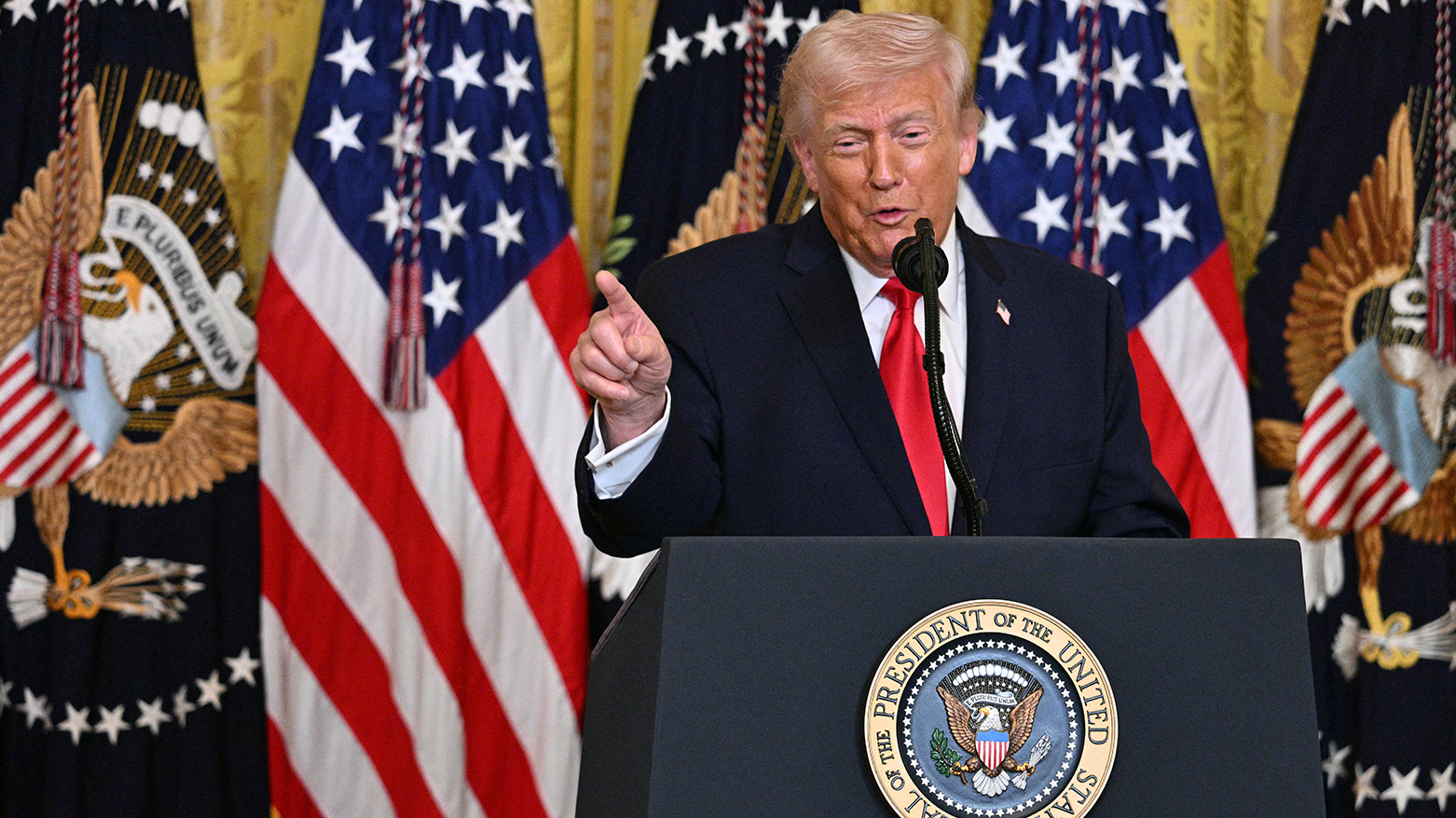
U.S. President Donald Trump has warned that the future of the North Atlantic Treaty Organization (NATO) could be “very bad” if member states do not increase pressure to reopen the strategically vital Strait of Hormuz, a key global shipping route currently facing heightened tensions.
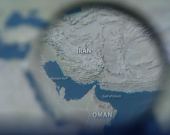
Speaking to reporters aboard Air Force One, Trump said that several countries should join a coalition aimed at ensuring the safe passage of oil tankers through the narrow waterway linking the Persian Gulf to international waters. The president emphasized that global energy security depends on keeping the route open and protected.
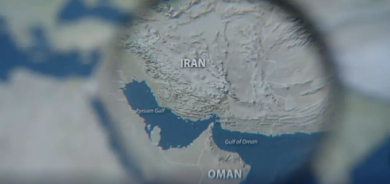
In remarks reported by the Financial Times, Trump urged seven countries to participate in a coordinated maritime effort to safeguard commercial vessels passing through the Strait of Hormuz. The waterway is considered one of the world’s most important energy corridors, with a significant portion of global oil shipments passing through it each day.
U.S. officials also indicated that Washington is currently allowing Iranian oil tankers to continue passing through the strait despite ongoing tensions with Iran. The move appears aimed at preventing disruptions that could affect global energy markets.
Meanwhile, China declined to comment on Trump’s call for military support. When asked about the proposal, China’s Foreign Ministry avoided directly addressing whether Beijing would consider joining any coalition to secure shipping in the region.
European allies have also shown caution. Germany expressed skepticism about expanding an existing European Union naval mission to the Strait of Hormuz, citing concerns about the risks of further militarization in the already tense Gulf region.
In a separate incident highlighting regional security concerns, flights were temporarily suspended at Dubai International Airport after a drone was detected near the airfield. Authorities halted operations as a precaution while security teams investigated the situation.
The Strait of Hormuz remains one of the most strategically significant waterways in the world. Any disruption to traffic through the passage could have major implications for international trade and global energy supplies.