Coordination Framework to Decide on Al-Maliki’s Premiership Bid Amid US Pressure and Internal Rift
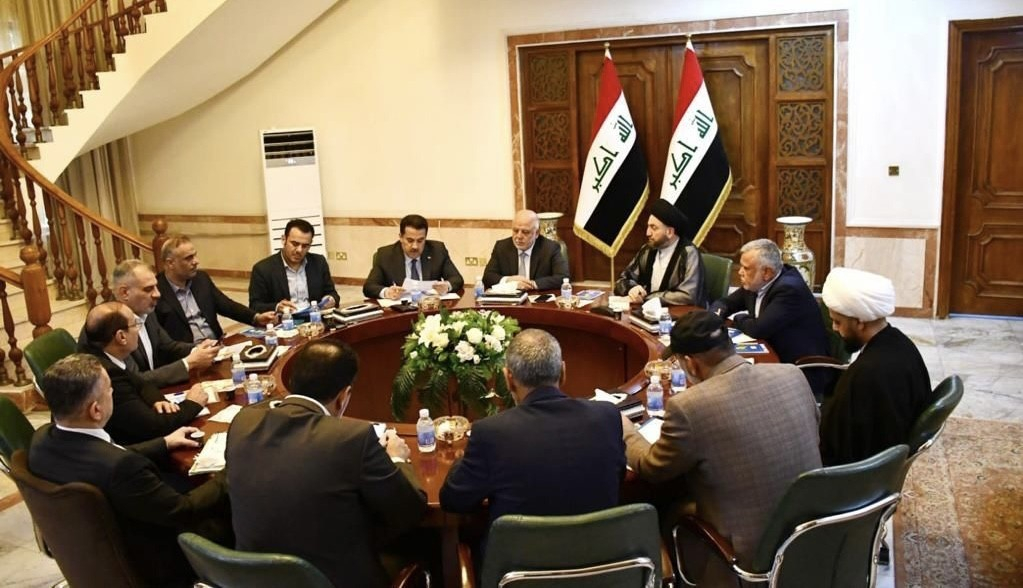
Iraq’s Coordination Framework is set to hold a decisive meeting on Monday that could determine the political future of former Prime Minister Nouri al-Maliki’s bid to return to office, amid mounting US pressure and growing internal opposition within the Shiite alliance.
Political sources told Sky News Arabia that a majority of Coordination Framework members are now inclined to push for al-Maliki’s withdrawal in favor of an alternative consensus candidate. The shift reportedly follows intensified regional and international signals opposing his return to the premiership.
The Construction and Development Coalition, led by Prime Minister Mohammed Shia’ al-Sudani, has communicated to allied factions that al-Maliki’s nomination is facing both internal resistance and significant external obstacles. The coalition called for revisiting the mechanism for selecting candidates to ensure that the process remains shielded from personal or factional interests.
According to Kurdistan 24, al-Sudani has sent a direct message to al-Maliki urging him to withdraw his candidacy. The report indicated that al-Sudani warned he would publicly announce his lack of support should al-Maliki insist on moving forward.
Meanwhile, Victoria Taylor, Director of the Iraq Initiative at the Atlantic Council, stated on the social media platform X that al-Sudani’s withdrawal of support would effectively end al-Maliki’s chances of securing the premiiership. She noted that al-Sudani’s backing has historically been tactical rather than strategic, suggesting that any shift in position may be tied to guarantees protecting his own political standing.
In parallel developments, the Iraqi News Agency reported that National Security Advisor Qasim al-Araji convened an emergency security meeting under instructions from the prime minister. The session reviewed evolving regional and international security dynamics and assessed their potential impact on Iraq. Officials emphasized the need for a flexible and proactive approach that safeguards national interests while maintaining overall stability.