U.S.–Iran Tensions Escalate as Trump Questions Tehran’s Defiance Amid Military Buildup
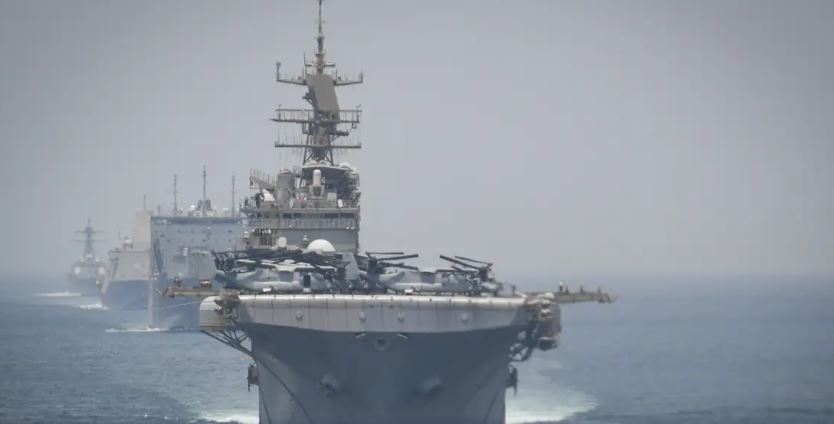
Tensions between Iran and the United States have intensified as Tehran refuses to yield under mounting U.S. military pressure in the Middle East, while new student protests erupt across Iranian universities.
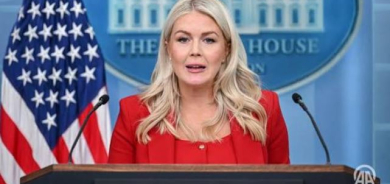
U.S. President Donald Trump is questioning why Iran has not responded to what Washington describes as significant military leverage in the region. Speaking on Fox News Sunday, U.S. special envoy Steve Witkoff said the president was “curious” why Tehran had not “capitulated” under pressure.
“Why, under this pressure, with the amount of sea power and naval power over there, why haven’t they come to us and said: ‘We profess we don’t want a weapon, so here’s what we’re prepared to do?’” Witkoff asked.
Washington is demanding that Iran surrender its stockpiles of enriched uranium, curb support for militant groups in the Middle East, and accept restrictions on its missile program. Witkoff claimed Iran has enriched uranium up to 60% purity, significantly above levels required for civilian nuclear energy, warning that Tehran could be “a week away” from obtaining industrial-grade bomb-making material.
Iran has consistently maintained that its nuclear program is peaceful. President Masoud Pezeshkian said recent negotiations with the United States had produced “encouraging signals,” but stressed that Tehran is prepared for “any potential scenario.”
Trump last week gave Tehran a deadline of 10 to 15 days to reach an agreement on the long-running nuclear dispute, warning of “really bad things” if no deal is achieved. The remarks come amid a U.S. military buildup in the region, raising concerns of a broader Middle East conflict.
Diplomatic efforts continue, however. Oman, which has been mediating between the two sides, confirmed that another round of talks will take place Thursday in Geneva. Negotiations had stalled after recent meetings in the Swiss city.
Iranian Foreign Minister Abbas Araghchi warned that any U.S. military strike would trigger retaliation against American interests in the region. In an interview with CBS, Araghchi said Iran would target U.S. bases in the Middle East if attacked, calling such action “justified and legitimate” self-defense. He acknowledged that Iran does not possess the capability to strike the U.S. mainland.
Araghchi also indicated that Tehran expects to submit a new proposal to Washington within days, pending approval from senior Iranian officials.
Meanwhile, domestic tensions are rising inside Iran. Students staged fresh demonstrations at several universities as the new academic term began. The protests coincided with 40-day mourning ceremonies for those killed during last month’s government crackdown — the deadliest unrest in Iran since the 1979 Islamic Revolution.
Footage circulated online showed demonstrators at Sharif University of Technology chanting slogans against Supreme Leader Ali Khamenei and calling for the return of Reza Pahlavi, the exiled son of Iran’s former shah.
Iranian state television aired counter-footage alleging that individuals posing as students attacked pro-government demonstrators condemning earlier unrest.
Earlier this month, Pahlavi said U.S. military intervention could “save lives” in Iran and urged Washington not to prolong nuclear negotiations with Tehran’s clerical leadership. Witkoff confirmed on Sunday that he had met with Pahlavi at Trump’s direction but provided no further details.
With diplomatic talks ongoing and military posturing escalating, the coming days are expected to be critical in determining whether the standoff moves toward compromise — or confrontation.