Venezuela’s Debt Casts Shadow Over Trump’s Push for Renewed U.S. Energy Investment
Venezuela’s long-standing financial liabilities to U.S. energy companies are raising questions about the feasibility of renewed American investment, despite President Donald Trump’s pledge to reengage with the country’s oil sector.
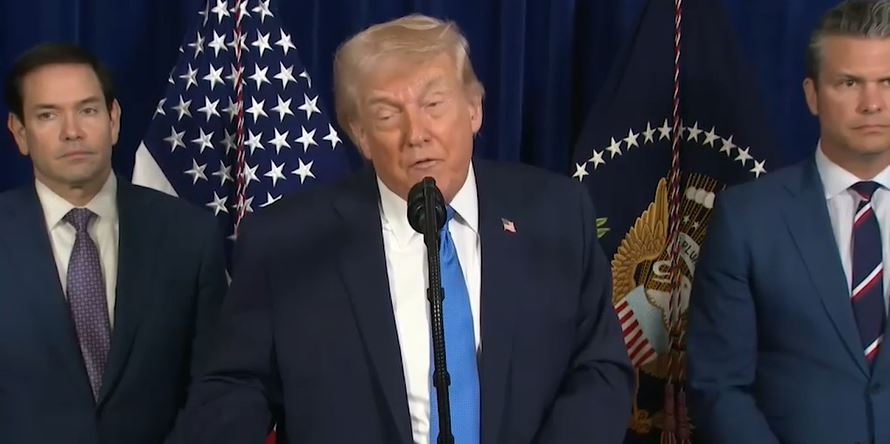
Speaking at Mar-a-Lago over the weekend, Trump said he wanted U.S. oil companies to “spend billions of dollars, fix the badly broken oil infrastructure and start making money for the country.” He argued that the United States helped build Venezuela’s oil industry and could again play a central role in reviving production and exporting Venezuelan crude to global markets.
However, Venezuela remains burdened by billions of dollars in unpaid arbitration awards stemming from disputes that date back nearly two decades. During the mid-2000s, then-President Hugo Chávez tightened state control over the oil industry, forcing foreign companies to renegotiate contracts between 2004 and 2007. The new agreements sharply reduced the role and profits of private firms while strengthening the state-owned oil company, Petróleos de Venezuela, S.A. (PDVSA).
Several major international oil companies left the country as a result. ExxonMobil and ConocoPhillips exited Venezuela in 2007 and later filed claims in international arbitration courts. Those courts ultimately ruled in favor of the companies, ordering Venezuela to pay ConocoPhillips more than $10 billion and ExxonMobil more than $1 billion. Venezuela has paid only a fraction of those awards.
The country’s broader financial position remains precarious. While comprehensive official debt data have not been published in years, the International Monetary Fund estimates Venezuela’s economy will total about $82.8 billion in 2025. Debt levels are estimated at nearly 200% of that figure. Venezuela has also defaulted on roughly $60 billion in bonds, with total foreign debt rising to about $150 billion when loans from creditors such as Russia and China are included.
PDVSA’s financial troubles have further complicated matters. The company defaulted on a bond due in 2020 that was backed by a majority ownership stake in U.S.-based refiner Citgo. That default has left Citgo entangled in ongoing legal battles with creditors seeking to recover billions of dollars.
Chevron remains the only U.S. energy company still operating in Venezuela, having maintained a limited presence through years of sanctions, economic collapse and political instability. In a statement, Chevron said it is complying with “relevant laws and regulations” and declined to comment on future investment plans, adding that it remains focused on the safety of employees and the integrity of its assets.