Iraq Nets $6.59 Billion in November Oil Exports, Kurdistan Contributes 7.5 Million Barrels
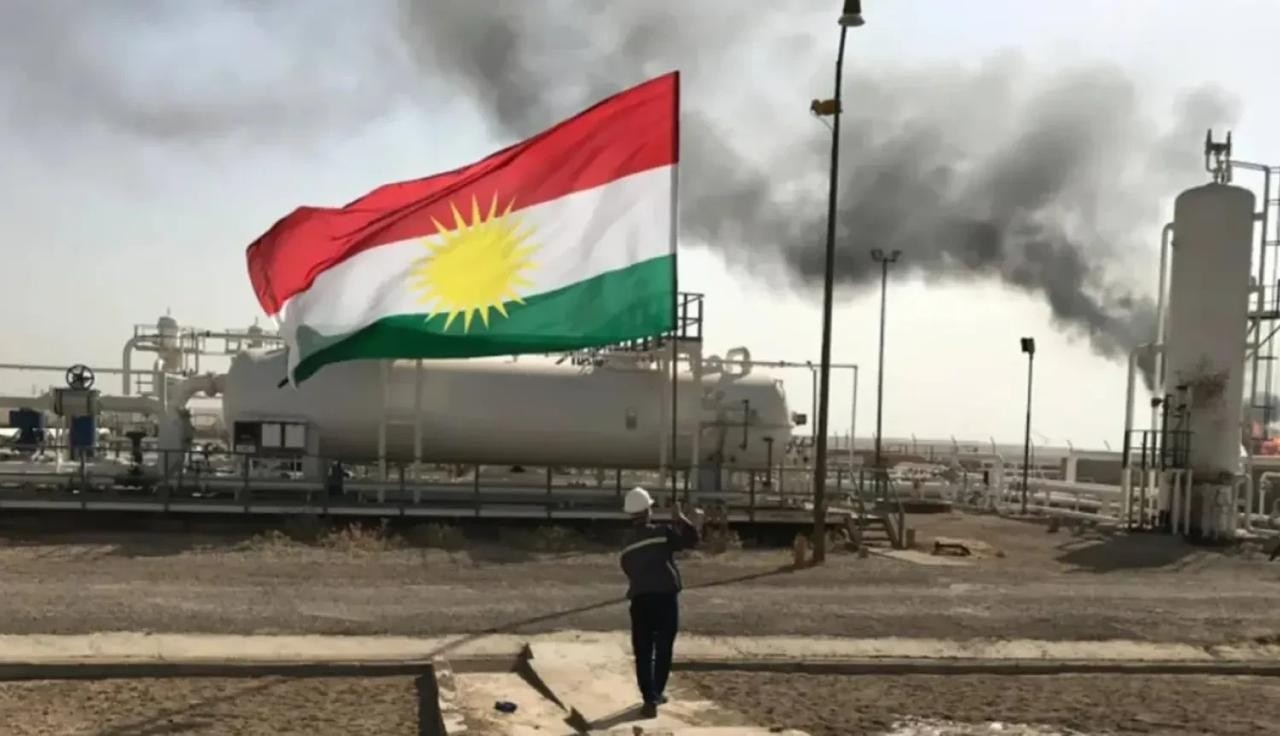
Iraq generated revenues exceeding $6.59 billion from the export of nearly 100 million barrels of crude oil in November, according to final figures released by the Ministry of Oil on Thursday.
The data, based on statistics from the Iraqi Oil Marketing Company (SOMO), showed total exports of crude oil and condensates reached 106,593,352 barrels for the month, yielding over $6,595,391,000 in revenue.
A detailed breakdown provided by the ministry indicates the majority of exports, 98.7 million barrels, originated from oil fields in central and southern Iraq. Exports from the semi-autonomous Kurdistan Region, shipped through Turkey’s Ceyhan port, amounted to 7,583,733 barrels. An additional 299,824 barrels were shipped to Jordan.
The November revenue marks a decrease from October, when Iraq recorded $9.28 billion in oil export income, which the ministry attributed to higher volumes and prices during the earlier period.
Iraq, OPEC's second-largest oil exporter, relies heavily on hydrocarbon sales, which fund approximately 90 percent of the federal budget. The country exports around 3.3 million barrels per day.
Despite this substantial wealth, Iraq continues to grapple with severe structural challenges. Decades of conflict, mismanagement, corruption, and stalled reconstruction have left infrastructure deteriorating. The energy sector itself is plagued by inefficiency, with Iraq producing only about half of its estimated daily fuel needs of 30 million liters and relying on imports to cover the deficit.
In a related development, a source from Iraq’s Council of Ministers confirmed this week that the cabinet has agreed to extend the oil and revenue-sharing agreement with the Kurdistan Regional Government (KRG) for an additional year. The move is intended to maintain financial coordination between Erbil and Baghdad.
Under the extended arrangement, the KRG will continue to transfer 120 billion Iraqi dinars in non-oil revenues to the federal Ministry of Finance. In return, the federal government remains responsible for paying public sector salaries in the Kurdistan Region, with the contribution amount unchanged.
However, the cabinet's latest session did not resolve the payment of November and December salaries for KRG public employees, leaving uncertainty for workers in the region over those two months.
The Oil Ministry stated that it publishes export data monthly "out of its belief in keeping the public informed about export operations," highlighting an ongoing effort towards transparency in the vital sector.