UNESCO Adds Diwali and Several Global Traditions to Its Intangible Cultural Heritage List
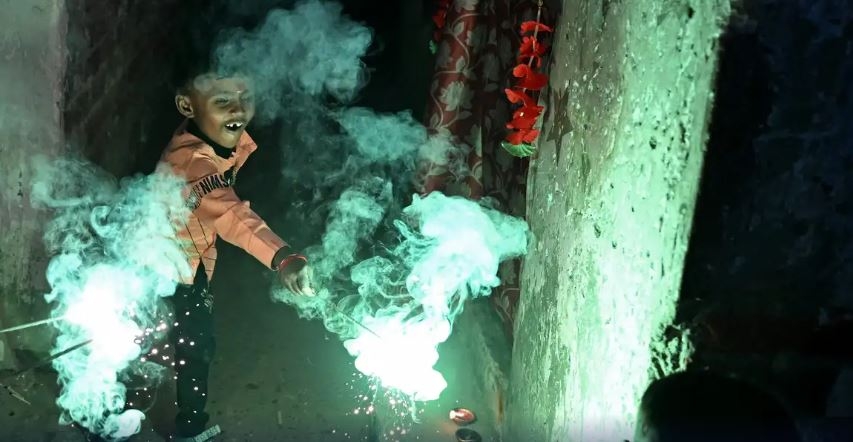
The United Nations Educational, Scientific and Cultural Organization (UNESCO) announced on Wednesday that Diwali, the Hindu festival of lights, has been officially added to its Intangible Cultural Heritage list.
Indian Prime Minister Narendra Modi celebrated the decision in a post on X, calling Diwali “the soul of our civilization.” He added that the recognition will further enhance the festival’s global reach and popularity.
Also known as Deepavali, Diwali is one of Hinduism’s most significant and widely observed festivals. Millions of worshippers — including members of the Sikh and Jain communities — celebrate the five-day event, which falls on the new moon day in late October or November. The festival symbolizes the victory of good over evil.
This marks the 16th Indian tradition to be inscribed on UNESCO’s cultural heritage list, joining yoga, the Kumbh Mela pilgrimage, and Kolkata’s Durga Puja. UNESCO representatives are currently meeting in New Delhi to review dozens of nominations from 78 countries.
The Intangible Cultural Heritage list aims to raise global awareness about diverse cultural traditions and ensure their protection for future generations.
Other New Additions to the 2024/2025 List Include:
Koshary, Egypt’s iconic street food
Al-Muhaibis, a traditional game played during Ramadan in Iraq
Gifaataa, the Wolaita people’s New Year festival in Ethiopia
Commandaria, an ancient wine from Cyprus
Ghana’s highlife music and dance
Chile’s circus traditions
Italian cooking
Iceland’s Swimming Pool Culture Joins the List
In addition to the new global entries, UNESCO confirmed the inclusion of Iceland’s swimming pool culture, an essential part of daily life in the country. Former Minister of Culture and Trade Lilja Alfredsdottir welcomed the news, noting that meeting in geothermal pools is a cherished social tradition that supports both physical and spiritual well-being.
Geothermal pools, found across Iceland, continue to serve as important community gathering spaces, reinforcing the nation’s long-standing relationship with its natural hot springs.