U.S. Issues Ultimatum to Iraq: Disarm Militias or Face Severe Sanctions and Embargo
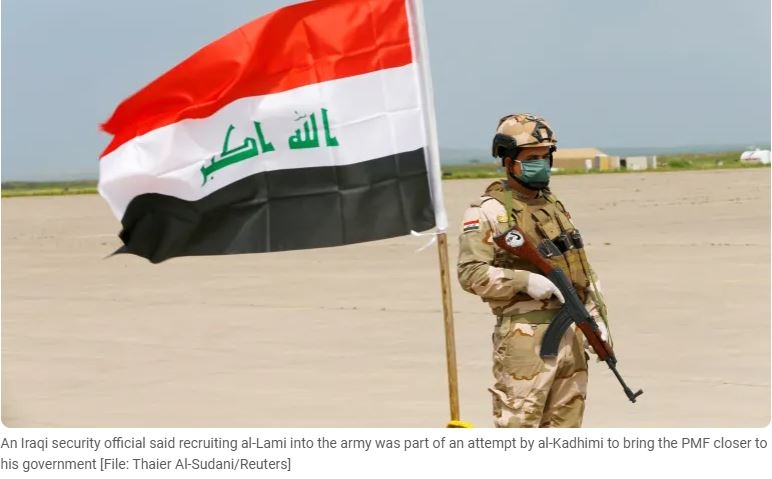
In a stark escalation of pressure, the United States has warned the Iraqi government that it must dismantle armed militias operating outside state control or face "severe action," including potential economic embargoes and penalties directly targeting Baghdad.
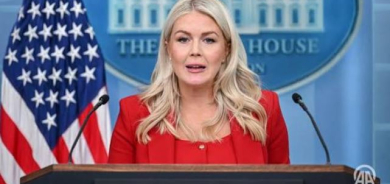
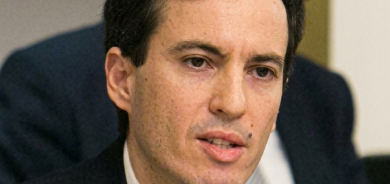
The uncompromising position was delivered by Gabriel Soma, a member of the advisory board to President Donald Trump, in a detailed interview with Kurdistan24 on Monday. Soma’s statements signal a decisive hardening of Washington’s policy, framing disarmament not as a request but as a critical prerequisite for Iraq’s stability and for avoiding punitive U.S. measures.
"The most severe action would be to... impose embargo or face some sort of penalties on Iraq, on the Iraqi government," Soma stated, explicitly linking the threat of sanctions to Baghdad's willingness to use its own forces to disarm the factions.
This new posture represents a significant strategic shift, marking an end to U.S. tolerance of parallel military structures within Iraq. Soma articulated a unified demand from the State Department and the White House: Iraq must "disarm these groups and take out their weapons from them." The core issue, he stressed, is the unacceptable status quo where weapons remain "among the hands of the people" rather than under the government's exclusive control.
To underscore the gravity of the warning, Soma drew a direct parallel to Lebanon, where Hezbollah’s power overshadows the state. "Iraq is facing the same situation," he said, indicating the U.S. now views the militia issue through the same lens of restoring the state's monopoly on force.
The rationale behind the ultimatum is a grim forecast for Iraq’s future. Soma warned that allowing militias to remain armed could lead to civil war. "If the United States allow Iraq to keep militias armed—then probably one day in the future you might have a civil war," he said, describing the groups as a primary "threat to the national security of Iraq."
Despite the severe warnings, the interview outlined a path for continued U.S. support. Soma emphasized the substantial military and financial investment America has already made in Iraq, predicated on the Iraqi military being the nation's sole defender. He affirmed the U.S. is "willing to help the Iraqi government... with whatever is needed" to achieve disarmament and protect the Iraqi people.
Crucially, Soma expressed strong U.S. confidence in Iraq's current Prime Minister, stating there is "good faith" in his leadership and revealing, "I think the... United States would like to see him for another term." This endorsement positions the current government as Washington's chosen partner for this formidable task.
The U.S. envoy to Iraq, Mark Savaya, is central to delivering this message. Soma clarified that Savaya "represents the President of the United States," indicating his directives carry the full authority of the Oval Office and are not mere diplomatic suggestions.
Soma acknowledged the militias originally arose from a vacuum of state power but argued that justification is now obsolete. With a formed government and a standing army, "there is no need for militias to exist in Iraq," he concluded.