Russia Touts Domestic Kurdish Inclusion, Defiant on Oil and Iran Nuclear Program
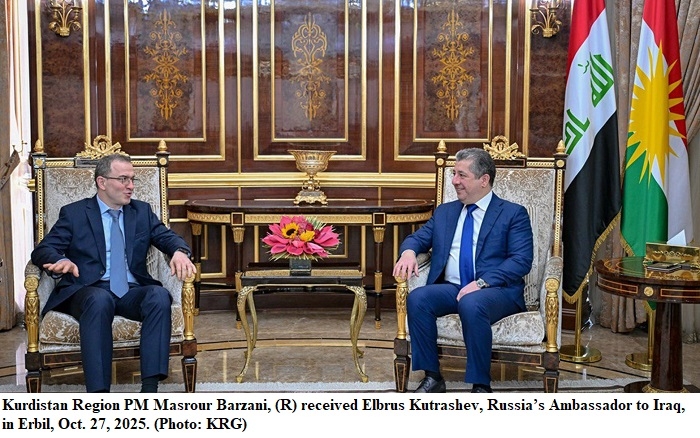
The Russian Foreign Ministry has underscored its position as a multinational state that supports its Kurdish minority, while simultaneously asserting that Western sanctions have not hampered its oil production and reaffirming its diplomatic stance on Iran's nuclear program.
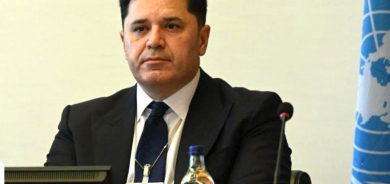
In a press briefing on Thursday, Foreign Ministry spokesperson Maria Zakharova addressed a range of regional issues, beginning with the status of Kurds in Russia.
Zakharova announced that a 50,000-strong Kurdish community in Russia enjoys “every opportunity to preserve their culture” under Russian law and policy. She emphasized that Russia, a nation of over 190 ethnic groups, values its Kurdish citizens.
"We are convinced of the importance of strengthening and developing cooperation in the cultural-humanitarian sphere," Zakharova told Rudaw, highlighting Moscow's close interaction with the official authorities of Iraq, including its Kurdish political forces.
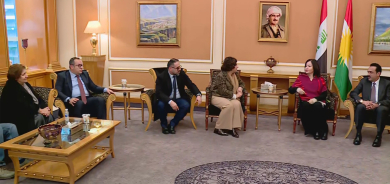
The comments come amid close economic ties between Russia and both Iraq and the Kurdistan Region, with several Russian oil companies operating key energy projects in the area. The relationship was further highlighted recently when Russian President Vladimir Putin honored Kurdish scholar Dr. Rashad Miran with the Pushkin Medal for his role in promoting Russian language and culture. Dr. Miran, a former active member of the Kurdistan Democratic Party (KDP), praised the "long-standing and solid relations" between Kurdistan and Russia.
When questioned about the impact of recent U.S. sanctions on Russian oil giants Lukoil and Rosneft—a concern for Iraq's government as it seeks "solutions" to stabilize its own oil production—Zakharova offered a defiant response.
She declined to comment directly on the operations of Russian companies in Iraq, stating it was a matter for the "economic operators themselves." Instead, she shifted focus to domestic production, asserting that the sanctions have not led to a decline in Russia's oil output.
“Russia does not intend to voluntarily reduce oil production,” Zakharova stated, adding that the country continues to operate within the framework of OPEC+ agreements.
On the issue of Iran's nuclear program, Zakharova reiterated Moscow's commitment to a political and diplomatic solution. Her comments followed a phone call between the Russian and Iranian foreign ministers, which focused on regional security.
Zakharova stated that Russia "remains firmly committed to vigorously seeking political-diplomatic solutions," and condemned military provocations. She emphasized that "military strikes on nuclear facilities... are unacceptable," a pointed reference after the U.S. targeted Iranian nuclear sites during a conflict with Israel earlier this year.
The spokesperson called on Western nations to "abandon the language of sanctions, ultimatums, and destruction, return to diplomacy," and engage in negotiations that respect Iran's interests and international law.
The briefing presented a comprehensive view of Russia's foreign policy in the Middle East, portraying it as a stable, multinational state engaged diplomatically and economically with regional partners while remaining resistant to Western pressure.