Iraq's 2025 Election Results Face Over 800 Appeals as Review Process Intensifies

The final results of Iraq's 2025 parliamentary elections are facing significant legal challenges, with the number of submitted appeals surpassing 800, electoral officials confirmed on Thursday.
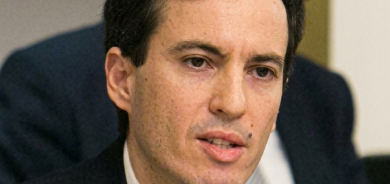
Jumana Al-Ghalai, the official spokesperson for Iraq’s Independent High Electoral Commission (IHEC), announced that electoral offices nationwide continue to forward objections, which teams are now reviewing under established legal procedures.
"The Commission is still receiving appeals from its offices in several governorates," Al-Ghalai stated, emphasizing that each case is being meticulously examined.
This wave of appeals adds a layer of uncertainty to an election already held under a reformed system. The commission had previously registered more than 100 complaints as early as 15 November, prior to the release of the final results, covering both special and general voting processes.
IHEC officially declared the final results this past Monday, 17 November 2025, confirming a nationwide voter turnout of over 56 percent for the nation's sixth legislative vote.
This year's election was a landmark event, conducted under a restructured electoral law passed in the wake of the widespread 2019-2021 protests. The new system replaced the old proportional representation model with a single non-transferable vote (SNTV) across 83 multi-member constituencies. The reform was designed to strengthen local representation and break the long-standing dominance of Iraq's major political blocs.
The polls were conducted in an atmosphere of public skepticism, with many citizens expressing deep frustration over persistent corruption, poor public services, and foreign meddling in Iraqi affairs. For numerous voters, the election served as a crucial test for promised political reforms to deliver tangible change.
The electoral commission is now tasked with a critical review phase. IHEC is expected to complete its investigation into all complaints before formally certifying the final results—a process that officials suggest could take several weeks, depending on the volume and complexity of the disputes.