Iraqi Authorities Arrest Dozens Following Deadly Tribal Clash in Dhi Qar
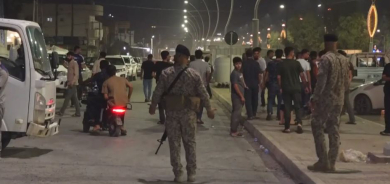
Iraqi security forces have arrested 27 individuals in connection with a violent tribal clash that erupted over the weekend in the southern Dhi Qar province, the Interior Ministry announced late Sunday.
The incident, rooted in what authorities described as an "old tribal dispute," resulted in six people being wounded—including both combatants and bystanders—and the destruction of a traditional guesthouse, known as a Madhif, and a vehicle.
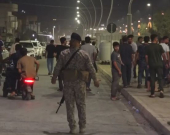
According to an official ministry statement, a specialized police force from the Dhi Qar Police Command carried out the arrests. During the operation in a village within the Sayyed Dakhil sub-district, east of the provincial capital Nasiriyah, security forces came under fire from both sides of the conflict.
"The force responded forcefully," the statement said, adding that a Kalashnikov rifle and a cache of medium and light ammunition were seized from the scene.
The ministry highlighted the cooperation of local residents, crediting public support for a "decrease in the crime rate." This improved security environment, it noted, has allowed for enhanced public services and the launch of a "wide urban campaign" in the province.
Despite such assertions, tribal violence remains a persistent and deadly challenge for the Iraqi federal government. Just earlier in September, a tribal dispute in Baghdad's Rusafa district left four people dead, including two police officers.
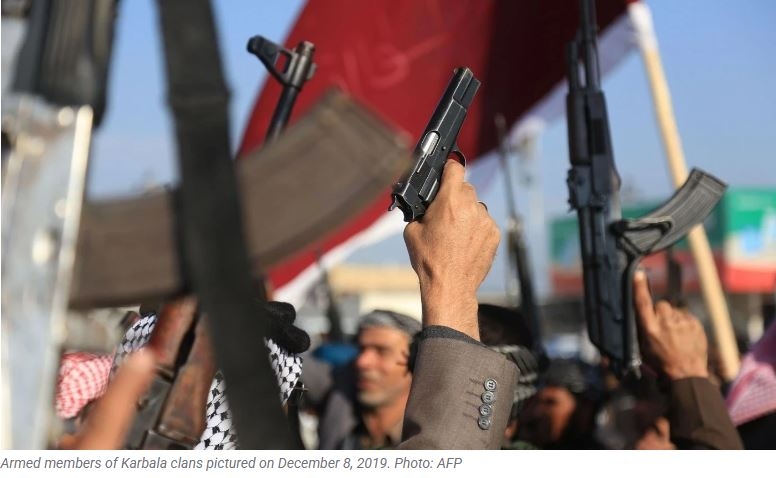
The southern provinces of Basra, Maysan, and Dhi Qar are frequent hotspots for such armed conflicts, which often necessitate military intervention. The clashes typically involve light and medium weapons, and sometimes even mortar shells, regularly causing casualties.
A key driver of the ongoing violence is the widespread availability of arms, much of which is believed to have come from military stockpiles leftover from Saddam Hussein's regime or obtained through various paramilitary groups.
Complicating government efforts to impose order, analysts note that tribal conflict dynamics have grown more complex, with political parties often accused of shielding their tribal affiliates from prosecution.
The scale of the problem is significant. In the southernmost province of Basra alone, a reported 280 armed disputes occurred between 2019 and 2021, resulting in 35 deaths and 74 injuries, underscoring the entrenched nature of tribal violence in the region.