Kurdistan Region Oil Exports Resume, Ending Years-Long Stalemate
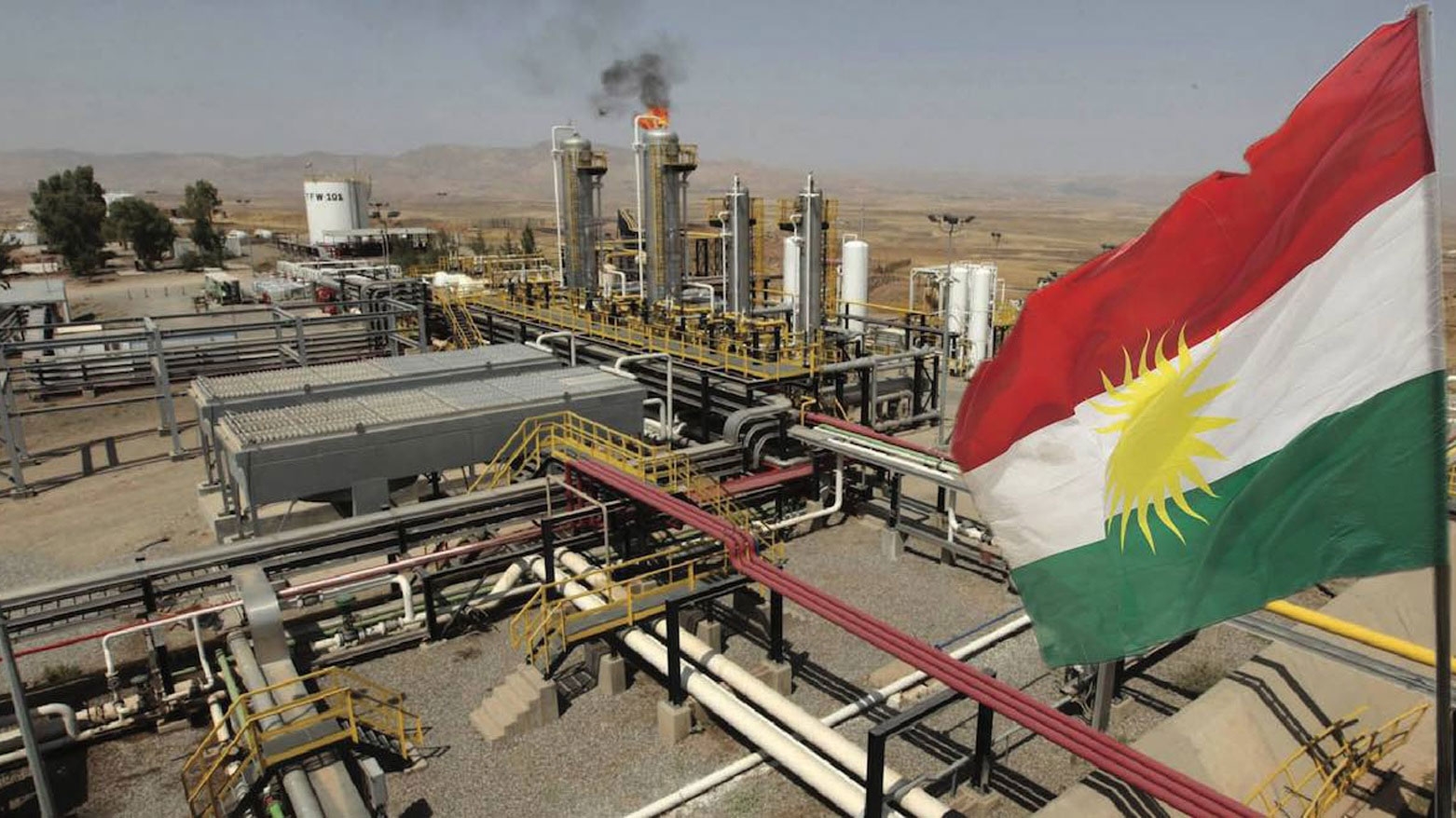
In a landmark event hailed as a new chapter for Iraq's economy, crude oil from the Kurdistan Region began flowing to international markets this morning for the first time in over two and a half years. The resumption marks the successful conclusion of a historic tripartite agreement between the Kurdistan Regional Government (KRG), the federal government in Baghdad, and international oil companies.
According to a detailed announcement from the KRG’s Ministry of Natural Resources, exports officially resumed at 7:00 AM local time on Saturday through the Kirkuk-Ceyhan pipeline. The move ends a damaging stalemate that began on March 25, 2023, following an international arbitration ruling that halted the region's independent oil sales.
Confirmation of the restart came from multiple officials, underscoring the cooperative nature of the agreement. Amer Khalil, Director General of the federally-run North Oil Company, announced at a press conference in Zakho that the process began even earlier, at 6:00 AM.
"Thanks to God, at 6:00 AM this morning the export of the Region's oil began, with 190,000 barrels currently being exported, and this amount will increase in the coming weeks," Khalil stated. He emphasized the seamless operation, praising the collaboration between employees of the North Oil Company, KRG investment companies, and the Ministry of Natural Resources. He confirmed that "the Kurdistan Region's oil has reached Turkish territory."
From Ankara, Turkish Energy Minister Alp Arslan Bayraktar confirmed the resumption in a social media post, noting the pipeline reactivation at 7:07 AM.
The suspension of exports had inflicted a severe economic blow, depriving the KRG of its primary revenue source—leading to chronic public salary delays—and costing Iraq billions in lost income. The dispute was rooted in long-standing constitutional disagreements over resource management.
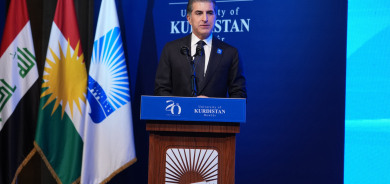
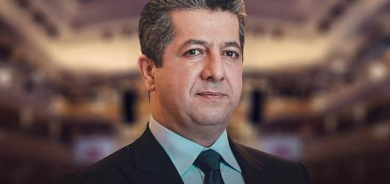
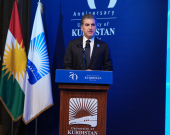
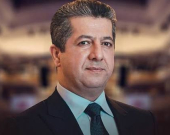
The breakthrough is therefore being celebrated as both a political and economic victory. Kurdistan Region Prime Minister Masrour Barzani announced the news at a conference in Erbil, calling it a "great achievement for all the people of Iraq, especially the people of the Kurdistan Region."
He specifically acknowledged the crucial diplomatic role of the United States, stating that American officials in Washington, Baghdad, and Erbil were "great supporters for the success of this process."
Echoing this sentiment, Iraqi Prime Minister Mohammed Shia' Al Sudani described the deal as historic, saying it "ensures fair distribution of wealth, diversification of export outlets, and encouragement of investment."
Under the interim three-month agreement, the Kurdistan Region's fields are expected to produce approximately 240,000 barrels per day (bpd). Of this, 190,000 bpd will be exported via the pipeline to Ceyhan, where it will be marketed by Iraq's state-owned SOMO. The remaining 50,000 bpd will be allocated for domestic consumption within the Kurdistan Region.
The crude, gathered from eight producing fields at the Khurmala facility, will be marketed by a Swiss trading company contracted by SOMO. Ali Nizar, Director General of SOMO, highlighted the oil's strategic importance for international energy security, noting that "Europe needs Kurdish oil as an alternative to Russian supplies."
For international oil companies operating in the region, the resumption is a critical lifeline. A new payment mechanism, routed through the U.S. Federal Reserve, will see IOCs receive $16 per barrel to cover costs, a move aimed at restoring investor confidence.
Khazal Auzer, a director at the KRG's Ministry of Natural Resources, expressed hope that the deal would allow companies to receive their entitlements, boost production, and reinvest. "Raising output is beneficial not only for the Kurdistan Region but also for Iraq as a whole," Auzer stated.