Al-Maliki Warns of "Grave Danger" if Iraqi Elections Are Delayed
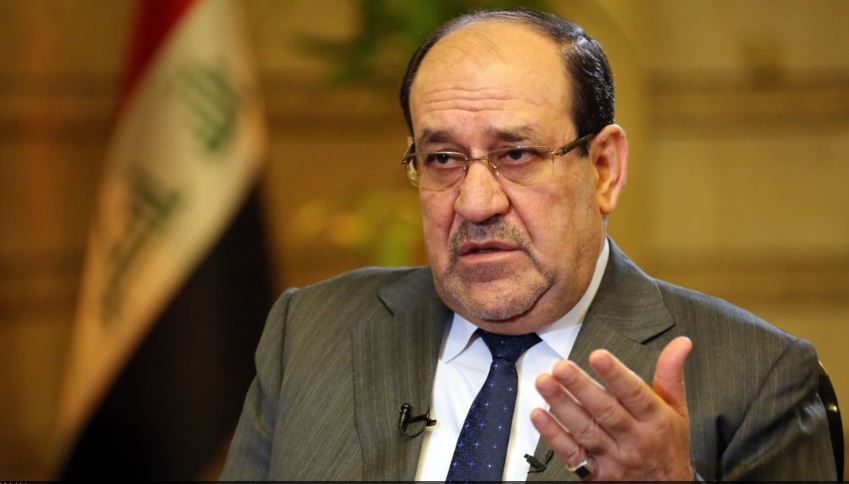
In a high-stakes address on Sunday, former Iraqi Prime Minister Nouri al-Maliki issued a stark warning that a delay to the country’s upcoming parliamentary elections would pose a severe threat to its fragile democracy, framing the vote as a critical bulwark against a return to dictatorship and sectarianism.
The influential leader of the State of Law Coalition called the October 11 election a "fundamental pillar" of the state and the only legitimate mechanism for political change, while urging the nation's youth to participate as vanguards of the process.
"Everyone must realize the magnitude of the grave danger if the elections are not held on their scheduled date," al-Maliki declared in a speech monitored by the Baghdad Today news agency.
His strong public insistence on adhering to the constitutional timetable is particularly notable given earlier reports. In March, sources within the Shiite Coordination Framework—a powerful bloc al-Maliki helps lead—claimed he had privately argued that holding elections under the then-current climate would be "political suicide" for many factions. His pivot suggests a significant shift in the political calculus within Iraq's dominant Shiite political arena.
The former premier, a dominant figure for nearly two decades, positioned himself and his allies as defenders of the constitutional order. He explicitly rejected any extra-constitutional power arrangements, stating, "There is nothing in the constitution under the name of an 'emergency government' or 'caretaker government.'"
"Elections are a mechanism for renewal, and democracy and the political process are meaningless without them," he stated, emphasizing that they are the gateway through which government is formed and laws are legislated.
Al-Maliki cast the upcoming vote as a decisive battle against Iraq's troubled past, proclaiming it would "close the door on dictatorship, racism, and sectarianism." He invoked the memory of the Ba'athist era and the subsequent insurgency, contrasting it with today's Iraq.
However, the path to the October vote is fraught with challenges that threaten its credibility. The political landscape is roiled by a major dispute over the "de-Baathification" of candidates, a process critics accuse al-Maliki of using to target his rivals. Furthermore, senior officials have warned of potential fraud, citing the misuse of state resources, the funneling of massive sums to candidates, and the widespread practice of buying voter cards.
Amid these concerns, Iraq's electoral commission (IHEC) is proceeding with extensive preparations, including trialing new voting technology like facial recognition to overcome past technical failures.
The election also unfolds under significant external pressure, particularly from the United States to curb the influence of Iran-backed militias like the Popular Mobilization Forces (PMF). Al-Maliki, a staunch defender of the PMF, has publicly declared it "will never be dismantled," setting the stage for this issue to be a major polarizing theme in the campaign.
In his concluding remarks, al-Maliki returned to his central theme: the absolute primacy of the ballot box. "Keeping or changing the government is done through elections and parliament," he declared, "in order to build a successful political process and a developed nation."