Free Dialysis Center in Koya Lifts Financial Burden, Offers New Hope for Patients
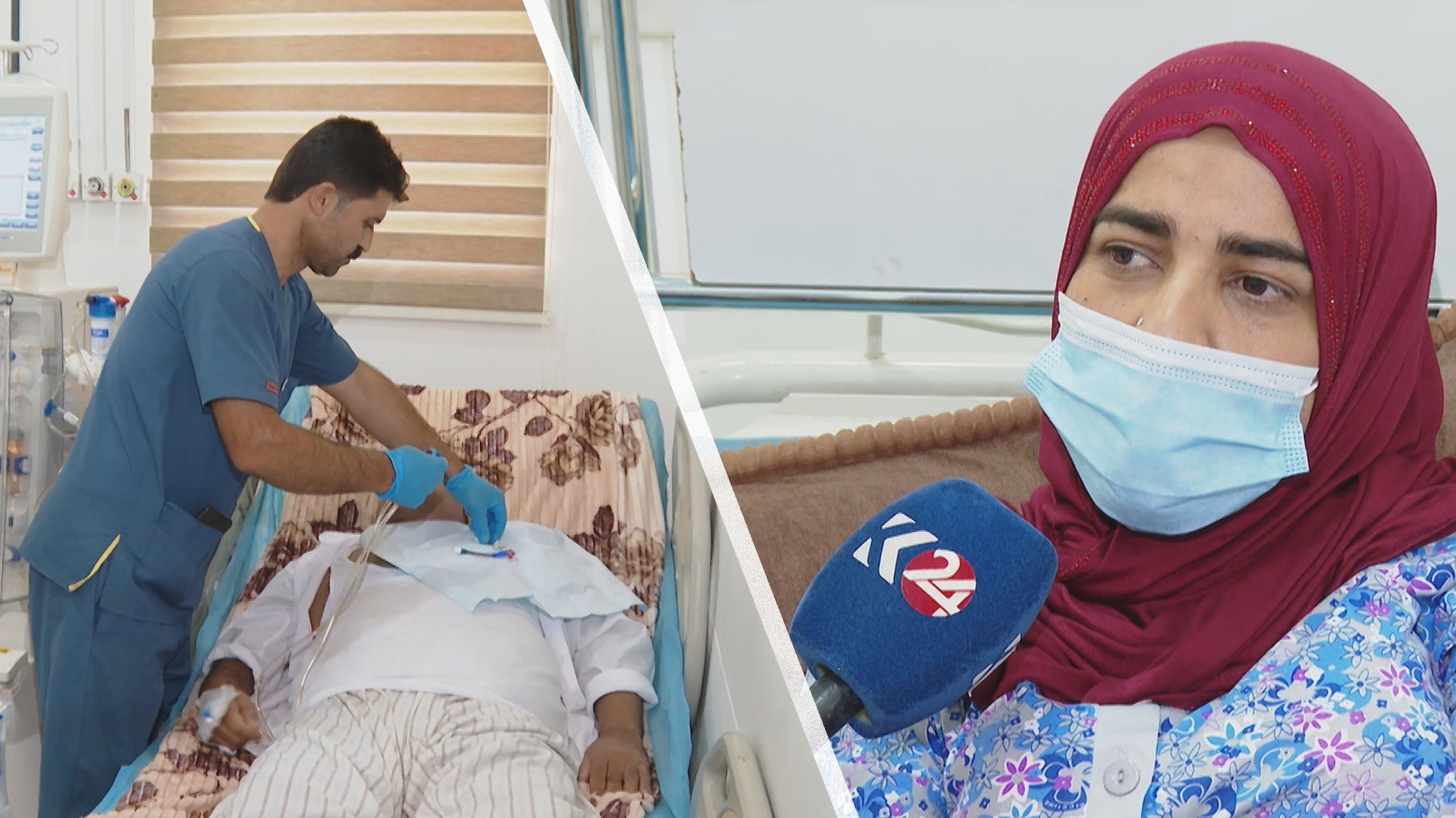
For sixteen years, Salah Fattah's life has depended on a dialysis machine, a relentless cycle of treatment essential for his survival. But the life-sustaining ritual once came with a crushing financial burden.
"I once had to get dialysis at a private hospital, and they charged me 300,000 dinars for a single session," he recounted. Today, sitting in a modern government-run facility in his hometown of Koya, that burden has been lifted. "I receive dialysis three times a week, 12 times a month, without paying even a single dinar."
Salah’s story is a human face of a quiet transformation in the Kurdistan Region's healthcare sector. The Koya Dialysis Center, established a year and a half ago, is more than a new building; it is a lifeline that has ended the grueling and costly journeys patients once endured to cities like Sulaimani, Erbil, and Kirkuk for treatment.
According to the center’s director, Abdullah Mahmood, the facility was opened with the specific goal of alleviating this hardship. In its first 18 months, its dedicated staff have already performed over 4,000 dialysis sessions.
The center offers not just medical treatment but also crucial psychological support, a service that has been a godsend for patients like Newroz Majid, a recent Food Engineering graduate whose life was upended by kidney failure nine months ago.
"I was very broken when I first came here," she confided. "But the staff has treated me with the care of psychologists and have never fallen short in their support."
The Koya center is a tangible example of the broader strategic vision being implemented by the Kurdistan Regional Government's (KRG) ninth cabinet to reform and modernize the region's healthcare system.
Championed by Prime Minister Masrour Barzani, this multi-pronged effort focuses on expanding infrastructure, introducing advanced technologies, digitizing services, and ensuring high-quality care is accessible to all citizens.
This commitment is visible across the region. In Erbil, another government-supported dialysis center provides free, state-of-the-art services to dozens daily. Over the past four years, the government has constructed 12 new hospitals and renovated 18 health centers, including new facilities in Shiladze and Akre, designed to decentralize care.
The agenda also focuses on elevating standards to international levels, funding life-saving treatments abroad for complex conditions and attracting top-tier medical talent back to the region.
A cornerstone of the modernization is a campaign to digitize the health sector. The Erbil Blood Bank Directorate is now fully digitalized, connecting all public and private hospitals to a central database to improve efficiency and track supply in real-time—a step toward a comprehensive digital health record for every citizen.
For patients like Salah Fattah and Nawroz Majid, the Koya center is more than a government project. It is where a 300,000-dinar burden has been replaced by free care, where psychological wounds are tended with compassion, and where exhausting journeys for treatment have finally ended.