Iraq Grants Citizenship to Afghans, Pakistanis While Denying Rights to Iranian Kurds
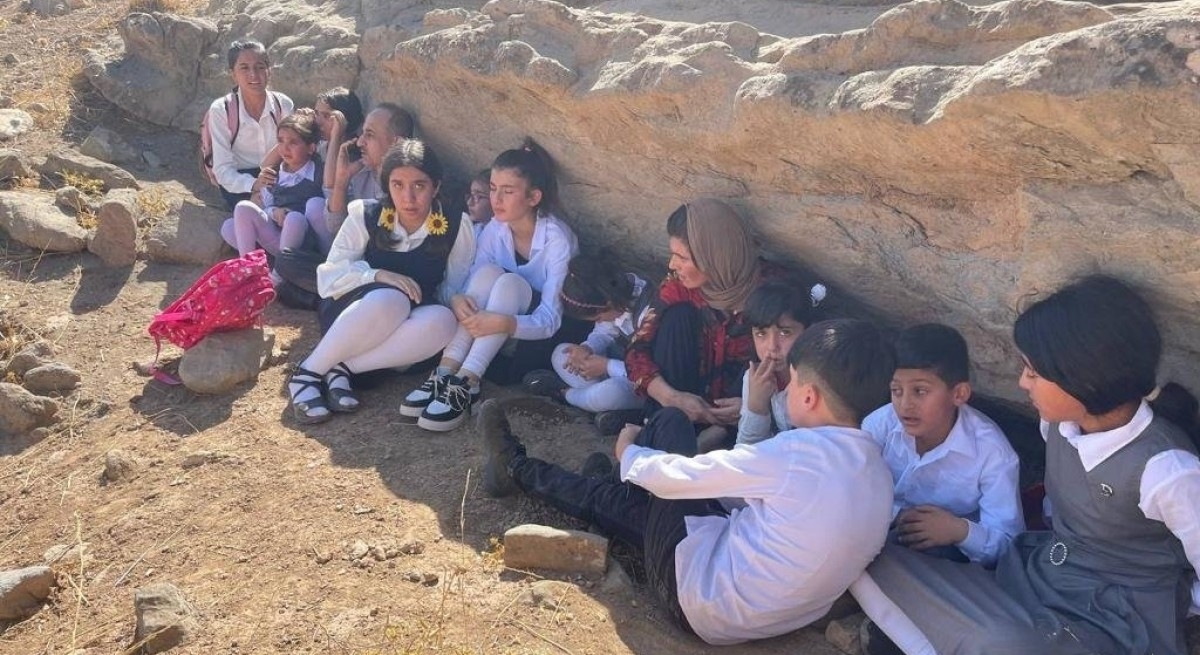
Iraqi authorities have been granting citizenship to Afghan and Pakistani migrants while continuing to deny the same rights to Kurdish refugees from Iranian Kurdistan (Rojhelat), many of whom have lived in Iraq’s Kurdistan Region for decades without legal status.
Kurds from Rojhelat, many of whom fled political persecution in Iran, say they remain unrecognized despite living in Iraq for years—some for over four decades.
Jamal Najjari, a Rojhelat political activist in exile, highlighted their plight in a Facebook post: “I know people who have lived in the South (Kurdistan Region) for more than 20 years and have no rights. Even the children born here are without identity cards and passports.”
Other refugees shared similar frustrations. Kamil Bokani, who has lived in the Kurdistan Region for over 20 years, said he is still treated as a foreigner. Arash Mohammadi described the situation as dire, noting that many are not recognized as refugees despite holding UN asylum-seeker documents for years. “They even face problems getting a SIM card,” he said.
Shno Mehrparwar, another Kurdish refugee, contrasted Iraq’s policies with those of other nations: “If you go to any other country, you receive a passport after a short period and become a citizen after a few years. Except in Iraq.”
Soraya Payrawan, 53, who has lived in the Kurdistan Region for 43 years, said: “My youngest child is 23. We have nothing and are without a name or identity.”
Ala Kunaposhi, a commentator on Kurdish issues, claimed the discrimination stems from the Iraqi federal government rather than the Kurdistan Regional Government (KRG). “Anyone from outside the Kurdistan Region who stays for five years is easily given Iraqi identity. It is only stopped in Kurdistan,” he said.
Under Iraq’s Nationality Law No. 6 of 2006, foreign residents are eligible for citizenship after ten years of continuous residence if they meet conditions such as good health, lawful livelihood, and a clean criminal record. The process requires a recommendation from the interior minister, cabinet approval, and the president’s final approval.
Despite these provisions, Rojhelat Kurds remain excluded, while reports indicate that Iraqi authorities have granted citizenship to large numbers of Afghans and Pakistanis.
Dr. Abdulqadir Mohammed, a Jordan-based political analyst, alleged in a televised interview that Iraq’s Coordination Framework alliance—a Shiite political coalition close to Iran—had built a residential city in Najaf for 9,000 Afghans and Pakistanis, granting them citizenship and passports.
“This is a demographic change in Iraq and a dangerous project. I have the identity and proof of this action,” he said.
International law guarantees the right to a nationality. Article 15 of the Universal Declaration of Human Rights states that no one shall be arbitrarily deprived of nationality or denied the right to change it.
Kurdish activists argue that Iraq’s selective citizenship policies violate these principles, leaving thousands of Kurds in legal limbo while facilitating naturalization for other groups.