Iraq Threatens to Ban Turkish Companies Over Unfulfilled Water Release Promises
An Iraqi lawmaker has called for Turkish companies to be barred from operating in Iraq, accusing Ankara of failing to uphold its pledge to increase water releases into the Tigris and Euphrates rivers amid a worsening water crisis.
Thaer al-Jabouri, a member of Iraq’s parliamentary agriculture and water committee, told Rudaw on Wednesday that Turkey has not honored its commitment to release Iraq’s agreed-upon water shares. “If Turkey continues this policy, Turkish companies should be barred from working in Iraq,” he warned.
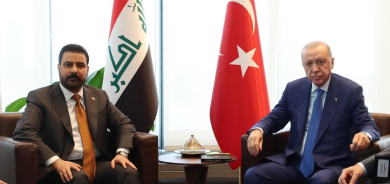
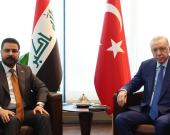
In early July, Turkish President Recep Tayyip Erdogan promised to increase water flow into the two rivers by 420 cubic meters per second following talks with Iraqi Parliament Speaker Mahmoud al-Mashhadani. Erdogan had assured that Turkey would “share what God has bestowed” with Iraq.
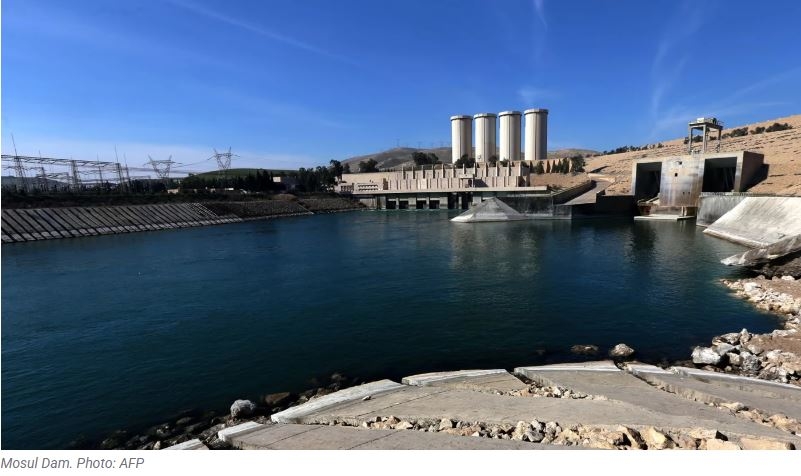
However, Khaled Shamal, spokesperson for Iraq’s water ministry, stated on Tuesday that the promised increases “have only occurred once or twice.” He added that the Mosul Dam, Iraq’s largest reservoir, is now at less than one-third capacity, severely impacting agriculture and electricity production.
On Sunday, Mashhadani met with Turkey’s ambassador to Baghdad, Anil Bora Inan, urging Ankara to uphold its commitments. However, Iraqi officials report no significant improvement in water inflows.
Ahmed Dubardani, a member of Nineveh’s provincial water committee, warned of drastic water level drops, exacerbating Iraq’s drought and desertification crisis.
Iraq, one of the world’s most water-stressed nations, relies heavily on the Tigris and Euphrates, both of which originate in Turkey. However, Turkish dam projects, including the Southeastern Anatolia Project (GAP), have reduced Iraq’s water supply to less than 40% of its historical share.
Compounding the crisis are climate change, declining rainfall, and poor water management. The lack of a binding water-sharing agreement with Turkey and Iran leaves Iraq vulnerable to upstream decisions.