Erbil Farmers Export 3,000 Tons of Daily Produce to Central and Southern Iraq
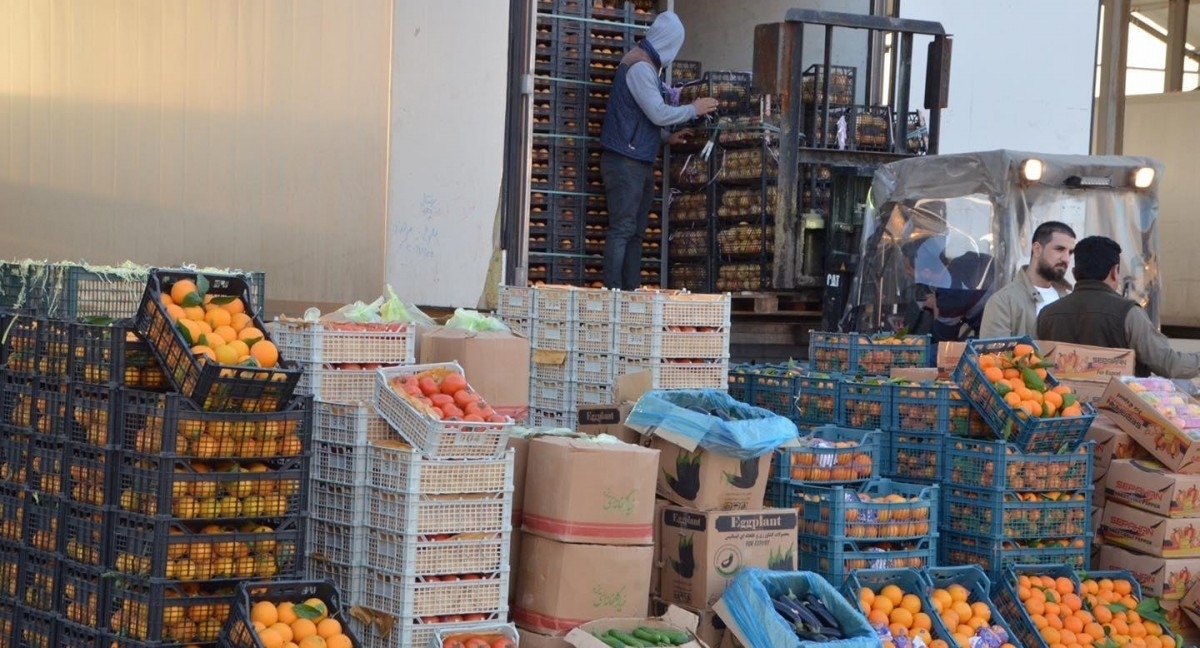
Erbil, Kurdistan Region – Farmers in Erbil province are exporting approximately 3,000 tons of vegetables and fruits daily—equivalent to 280–350 truckloads—to central and southern Iraq, according to the Director General of Agriculture in Erbil.
Hemin Said Murad, Director General of Agriculture in Erbil, told BasNews that the Kurdistan Regional Government (KRG) issues dozens of support letters daily to ensure farmers can transport their goods without obstruction through Iraqi-controlled checkpoints. Most letters are prepared in Arabic to avoid delays, particularly at security points in Diyala, Salahaddin, and Baghdad provinces.
This support has allowed farmers to secure better prices, maintain steady market access, and plan future harvests more confidently. In 2024 alone, Erbil province exported over 400,000 tons of produce to other Iraqi cities, significantly boosting the region’s agricultural economy and rural incomes.
Agriculture remains a key sector for the Kurdistan Region, employing tens of thousands of workers and contributing to regional food security. According to the KRG’s Ministry of Agriculture and Water Resources, Erbil produces a variety of high-demand crops, including tomatoes, cucumbers, pomegranates, and grapes, which are highly competitive in Iraqi markets due to their quality and freshness.
The fresh produce trade between the Kurdistan Region and the rest of Iraq is a cornerstone of the region’s non-oil economy. Exports typically surge in summer and early autumn when greenhouse and open-field harvests peak, helping reduce Iraq’s dependence on imports from neighboring countries. Farmers say the KRG’s logistical support has helped offset rising costs for fuel, fertilizers, and packaging materials.
The KRG’s current strategy focuses on:
Increasing cold storage facilities
Improving transport logistics
Expanding greenhouse farming to extend the growing season
Officials predict these measures could increase exports by up to 15% in the next two years, supporting economic diversification and the KRG’s broader goal of becoming a leading supplier of high-quality produce to the Iraqi market.