Iran University of Science and Technology Mourns Alumnus Killed in Israeli Attack; Iran-Israel Conflict Toll Rises
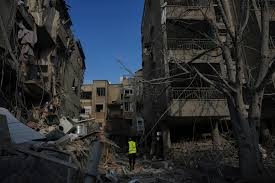
The Iran University of Science and Technology (IUST) announced on Friday the death of one of its alumni, Engineer Soleiman Soleimani, in what it described as a "brutal attack" carried out by Israel. The university's statement, reported by Iran’s Mehr News Agency, accused Israel of targeting Iranian nuclear scientists amid the ongoing 12-day war between the two nations.
In its official statement, the university expressed condolences to Soleimani’s family, calling his death a "martyrdom" at the hands of the "criminal Zionist regime." Soleimani was a graduate of the university’s Chemical Engineering program.
This announcement follows earlier reports from Iranian state media confirming the death of prominent nuclear scientist Ithar Tabatabaei Ghomshe and his wife in an alleged Israeli missile strike on their home on June 21. According to Mehr News Agency, Ghomshe’s death was the 14th assassination of an Iranian nuclear scientist since the war began on June 13. With Soleimani’s killing, the toll has now risen to 15.
The conflict erupted after Israel launched a massive aerial campaign involving over 200 fighter jets, targeting Iranian military and nuclear facilities. The initial strikes reportedly killed several high-ranking Iranian military officials and nuclear experts.
Iran retaliated with missile and drone attacks on Tel Aviv and other Israeli cities, while the Israel Defense Forces (IDF) continued airstrikes on Iranian military infrastructure and personnel linked to Tehran’s nuclear program.
Israeli Foreign Minister Gideon Sa’ar confirmed the targeted killings, stating they were necessary to disrupt Iran’s nuclear weapons program.
"The assassinated nuclear scientists had been working on Iran’s nuclear weapons program under the current regime," Sa’ar said. He claimed the campaign had set back Iran’s nuclear ambitions by two to three years.
The United States also entered the conflict, conducting airstrikes on Iran’s Fordow, Natanz, and Isfahan nuclear sites using B-2 stealth bombers. U.S. President Donald Trump declared the operation a "total obliteration" of Iran’s nuclear capabilities.
In response, Iran launched missile strikes on the U.S. military base at al-Udeid in Qatar last Tuesday.
The 12-day war came to a halt following a U.S.-brokered ceasefire negotiated by President Trump. However, tensions remain high as both sides assess the damage and casualties from the intense conflict.
The targeted killings of Iranian scientists have drawn condemnation from Tehran, with Iranian officials vowing retaliation. Meanwhile, Israel and the U.S. maintain that the strikes were necessary to prevent Iran from acquiring nuclear weapons.