Iraq’s Power Crisis Deepens as Temperatures Soar Above 45°C
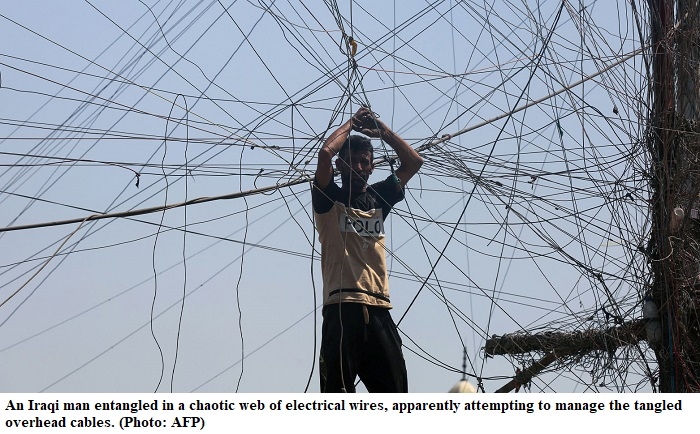
As scorching temperatures exceed 45 degrees Celsius (113°F), Iraq faces yet another summer of severe electricity shortages, exposing chronic failures in the country’s power sector. Despite an estimated $80 billion spent on electricity infrastructure since 2003, most Iraqis endure daily blackouts, with some areas receiving as little as three hours of power.
Ahmed Mousa, spokesperson for Iraq’s Ministry of Electricity, told Al-Araby Al-Jadeed that power stations were prepared to generate up to 27,000 megawatts (MW) this summer. However, fuel shortages—exacerbated by international sanctions on Iran—have slashed actual output to below 23,000 MW.
“Our power generation heavily depends on domestic and imported gas,” Mousa said. “The sanctions on Iran have paralyzed our plans.”
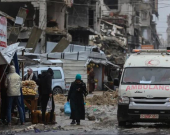
In Baghdad and other provinces, residents describe unbearable conditions. Hussein Jabbar, a Baghdad local, said, “We suffer daily, especially with temperatures nearing 50°C (122°F). Power comes for just three hours, followed by ten hours of cuts.”
The outages take both a physical and psychological toll. “Families endure extreme heat without fans or air conditioning, affecting everyone—especially children,” Jabbar added.
Many rely on expensive private generators, but operators often charge exorbitant fees—up to 25,000 Iraqi dinars (around $17) per ampere—due to weak government oversight.
Nazm Aziz, a resident of Anbar, highlighted additional hardships: “Students in dormitories struggle to study during exams, and food spoils in refrigerators due to frequent cuts. People now buy only daily groceries to avoid losses.”
Electricity expert Duraid Abdulahad attributed the crisis to poor planning and reliance on foreign energy. While Iraq’s theoretical capacity is 32,000 MW, actual output fluctuates between 20,000 and 28,000 MW—far below summer demand, which peaks at 35,000 to 50,000 MW.
Abdulahad warned that Iraq’s power grid depends heavily on Iranian gas, which supplies 50 million cubic meters daily, generating nearly 7,000 MW. The country also imports about 1,000 MW from Iran, Turkey, and Jordan. Any further cuts, he said, could collapse the system entirely.