KDP Condemns Iraqi Government's Suspension of Salaries for Kurdistan Region Employees, Warns of Consequences
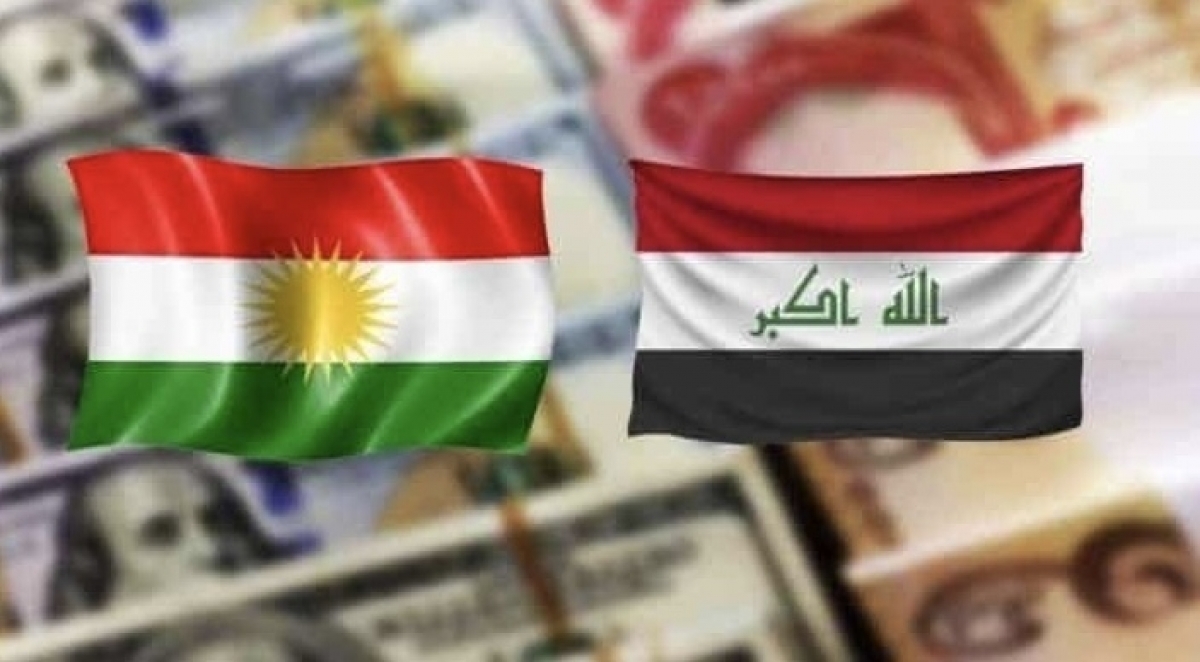
Erbil, Kurdistan Region – Senior officials from the Kurdistan Democratic Party (KDP) have strongly condemned the Iraqi federal government’s decision to suspend salaries for employees in the Kurdistan Region, calling it an act of "collective punishment" and warning that it will not go unanswered.
Hoshyar Zebari, a senior member of the KDP Political Bureau’s Executive Board, criticized the move in a social media post, accusing Prime Minister Mohammed Shia’ al-Sudani’s government—backed by the Shia Coordination Framework—of deliberate political pressure.
“The collective punishment and starvation of the citizens of the Kurdistan Region under financial and administrative pretexts comes at a very unpleasant time and will not pass without consequences,” Zebari stated.
He emphasized that the timing, just ahead of national elections, suggests the decision by the federal Ministry of Finance is not merely technical but a “pre-planned” political attack on a constitutionally recognized region.
“We do not live in a city of dreams—Utopia—and our political history indicates that aggressors will be punished,” Zebari warned.
Khalida Khalil, spokesperson for the Barzani Headquarters, echoed these concerns, labeling the salary suspension a violation of basic rights.
“Turning employees’ salaries into a political weapon is a clear violation of human rights and even a crime against humanity,” Khalil wrote.
She described the withholding of salaries as a form of economic terrorism, quoting former Uruguayan President José Mujica: “History has taught us that any oppressive system that used the weapon of hunger eventually collapsed.”
The Kurdistan Region has faced growing frustration over repeated delays and suspensions of public sector salaries, with Kurdish officials accusing Baghdad of using the crisis to exert political pressure.
The dispute highlights ongoing tensions between Erbil and Baghdad over budget allocations and financial autonomy, raising concerns about further instability in the region.