Iraq Faces Severe Water Crisis Amid Reduced River Flows and Rising Salinity
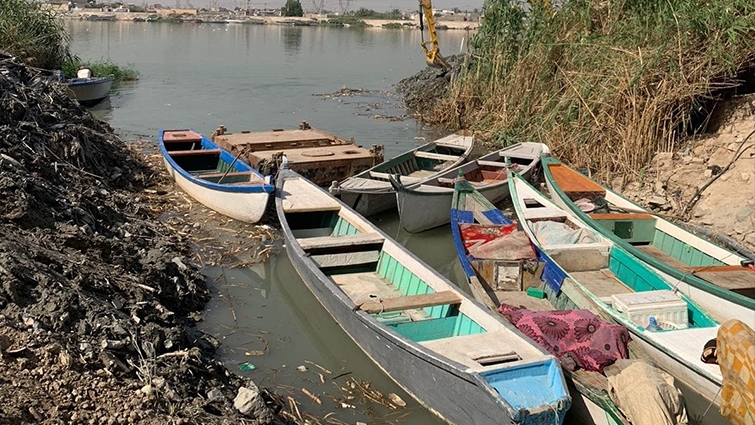
Iraq is grappling with a worsening water crisis as reduced inflows from Turkey and Iran, coupled with insufficient rainfall, have led to critically low water levels and increased salinity, particularly in the south. The situation has raised alarms over drinking water shortages, agricultural impacts, and long-term environmental damage.
As a semi-arid country, Iraq heavily depends on the Tigris and Euphrates rivers, both of which originate in neighboring Turkey and Iran. However, Baghdad has repeatedly accused the two upstream nations of exacerbating water scarcity by constructing dams that significantly reduce downstream flow.
The World Bank has warned that without effective water management policies, Iraq could lose 20% of its water resources by 2050. Meanwhile, Iraqi officials claim that Turkish water projects have already slashed their share of the Euphrates by 80%, while Ankara counters that Baghdad mismanages its water supply.
Iraq’s Water Resources Minister, Aoun Diyab, recently noted that recent rains and seasonal floods had boosted water reserves by 300 million cubic meters. However, soaring temperatures and increased consumption have offset these gains, further straining supplies.
In Kirkuk, officials report that water releases from the Dokan Dam—a key source for the province—have dropped to half the required amount.
"We are managing the minimal releases to keep water treatment plants running, but the situation is critical," said Zaki Karim, Director of Water Resources in Kirkuk.
The crisis is most severe in Basra, where saltwater intrusion from the Shatt al-Arab river has made tap water undrinkable in many areas. The provincial water authority has been forced to implement rationing schedules and rely on water tankers to supply affected communities.
"Basra is at the end of the river system, so we suffer the most," said Nizar Nasser Laibi, Director of Basra’s Water Authority. "We need at least 90 cubic meters per second to prevent saltwater from spreading, but current flows are far below that."
The Al-Badra Canal, a crucial freshwater source for Basra, is also under strain, with flows dropping from a required 10 cubic meters per second to just 7.
With Iraq’s main water reserves at historic lows, experts warn of dire consequences for agriculture, public health, and regional stability. The government is under pressure to secure better water-sharing agreements with Turkey and Iran while improving domestic water management.
For now, millions of Iraqis—especially in the south—face a daily struggle for clean water, as the country’s most vital resource continues to diminish.