High-Level Iran-U.S. Nuclear Talks Resume in Oman Amid Sticking Points
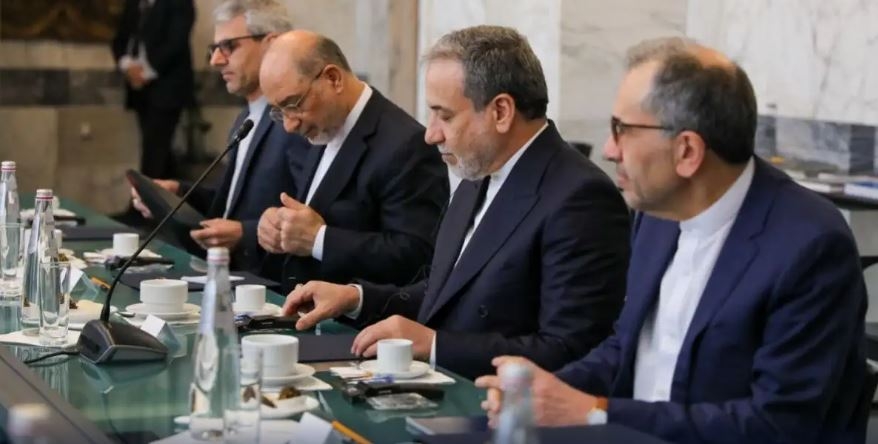
Representatives from Iran and the United States resumed high-level discussions on Sunday in an effort to resolve longstanding disputes over Tehran’s nuclear program. The talks, led by Iranian Foreign Minister Abbas Araqchi and U.S. Middle East envoy Steve Witkoff, took place in Oman as both sides sought to avert a potential military confrontation.
Araqchi expressed cautious optimism ahead of the fourth round of negotiations, stating that he hoped the discussions could reach a "decisive point." However, both sides emphasized that significant hurdles remain, with each asserting "red lines" that must be addressed to secure a new nuclear agreement.
Witkoff reiterated Washington’s firm stance, declaring that any uranium enrichment activity in Iran would be unacceptable.
"An enrichment program can never exist in the state of Iran ever again," Witkoff told Breitbart. "That's our red line." He insisted that Iran’s key nuclear facilities—Natanz, Fordow, and Isfahan—must be completely dismantled.
This marked a shift from earlier U.S. signals suggesting possible flexibility on low-level enrichment for civilian purposes.
In response, Araqchi firmly rejected any demand to halt Iran’s uranium enrichment, calling it a national achievement.
"Enrichment capability is one of the honors and achievements of the Iranian nation," he said in a statement before departing for Muscat.
U.S. Secretary of State Marco Rubio proposed a potential compromise, suggesting Iran could import enriched uranium for civilian energy needs rather than producing it domestically.
The talks come as U.S. President Donald Trump prepares to visit Saudi Arabia, Qatar, and the United Arab Emirates later this week. Trump, who withdrew from the 2015 nuclear deal during his first term, has repeatedly threatened military action if diplomacy fails.
Speaking on Thursday, Trump framed the situation starkly: "There are only two alternatives: Blow 'em up nicely or blow 'em up viciously." However, he added that he would prefer a diplomatic resolution.
Despite the tough rhetoric, both sides acknowledged that discussions are progressing. Araqchi described the talks as "moving ahead," though significant gaps persist.
The outcome of this round could determine whether the two nations return to a negotiated agreement or face renewed escalation. With regional tensions high, the international community watches closely for signs of a breakthrough.