Iraq MP Warns of "Dangerous" Fiscal Move as Government Diverts Tax Trust Funds to Pay Salaries

Amid growing concerns over Iraq’s financial stability, an independent member of parliament has accused the federal government of tapping into legally protected tax trust funds to cover public sector salaries—a move he warns signals a deepening fiscal crisis.
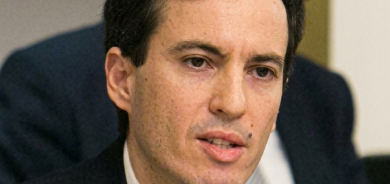
MP Ahmed al-Shairmani told Baghdad Al-Youm on Thursday that the government’s decision to reallocate tax revenues, originally reserved for specific obligations, reveals a more severe financial predicament than officials have publicly admitted. “This is a dangerous step,” Shairmani said. “Despite repeated assurances about fiscal stability, the government is now contradicting its own policies by diverting secured funds.”
The reported withdrawals come as Iraq faces mounting economic pressures, including a ballooning budget deficit, fluctuating oil revenues, and an overreliance on public sector wage expenditures. With more than 90% of the national budget dependent on oil exports, Iraq remains vulnerable to global market shocks and production constraints.
Shairmani called for an urgent parliamentary inquiry, demanding that Finance Ministry officials explain the legal basis for accessing tax reserves, which are typically ring-fenced from routine spending. “These funds are not emergency cash reserves—they are legally protected,” he said. “Parliament must intervene before this sets a damaging precedent.”
The lawmaker warned that the move could undermine public trust and Iraq’s fiscal credibility, particularly as international institutions closely monitor the country’s economic management.
Iraq has repeatedly struggled to pass budgets on time and has faced difficulties meeting salary obligations without borrowing. The Finance Ministry has yet to comment on the allegations, leaving the scale and legality of the reported fund diversions unclear.
The controversy has intensified debates in Baghdad over fiscal governance, raising concerns about how Iraq will sustain essential services without resorting to ad-hoc or legally questionable financial measures. Analysts warn that without structural reforms, such stopgap solutions risk exacerbating long-term economic instability.