KDP Leader Zebari: Syria's Changes Just Beginning, Will Impact Neighboring Countries
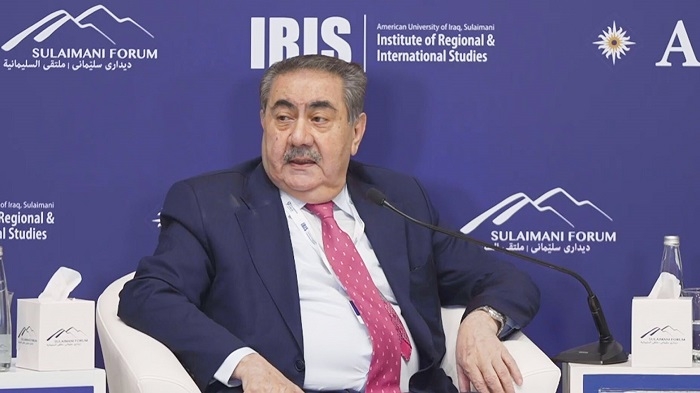
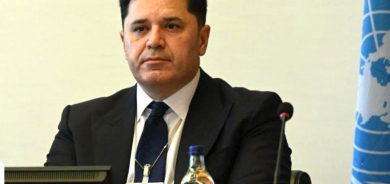
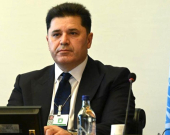
Sulaymaniyah, Kurdistan Region – Hoshyar Zebari, a senior leader in the Kurdistan Democratic Party (KDP), stated that the ongoing political shifts in Syria mark only the start of a broader transformation, warning that the repercussions will extend to neighboring nations. Speaking at the ninth Sulaymaniyah Forum on Tuesday, Zebari emphasized that the Kurdish experience in Iraq could serve as a model for supporting Syria’s Kurds.
The forum’s second day focused heavily on the future of Syria and the status of Rojava (Western Kurdistan), with key discussions featuring Zebari and Ilham Ahmed, Co-Chair of the Foreign Relations Department of the Autonomous Administration of North and East Syria (AANES).
A Crucial Agreement for Syria’s Kurds
Zebari highlighted the significance of the recent agreement between Mazloum Abdi, Commander-in-Chief of the Syrian Democratic Forces (SDF), and Ahmad al-Jarba, a prominent Syrian opposition figure. The deal, brokered with backing from the KDP, regional allies, the U.S., and France, aims to strengthen the Kurdish role in Syria’s political future.
"On December 8 last year, a political earthquake struck Syria and the wider region," Zebari said. "All neighboring countries will inevitably feel the effects of these unexpected changes."
He noted that after decades of foreign intervention, internal repression, and regional instability, Syria is entering a critical phase that will redefine its future. "The steps taken by Syrian authorities so far are just the beginning—they need greater inclusivity and openness," he added.
Autonomous Administration Hails Deal as Historic
Ilham Ahmed, representing the AANES, described the agreement as a pivotal moment for Kurdish rights in Syria. "This agreement ended the accusations that we, as Kurds, seek secession," she said. "We see it as a decisive and historic step for Syria."
Ahmed stressed the importance of monitoring the deal’s implementation, noting that committees have been formed to address disputed areas, including Sheikh Maqsoud in Aleppo and the Tishrin Dam.
"We hope to reach a deeper understanding on Syria’s political process and reconstruction," she said. "We consider ourselves a key and serious partner in rebuilding Syria."
Regional Implications
Both leaders agreed that Syria’s transformation will have lasting consequences for the Middle East. With ongoing negotiations and shifting alliances, the coming months could determine whether Syria moves toward a more inclusive political system or further fragmentation.
The Sulaymaniyah Forum continues to serve as a key platform for regional dialogue, bringing together political figures and analysts to discuss the future of conflict-affected areas, including Syria and Iraqi Kurdistan.