Kurdistan Region Marks 34th Anniversary of UNSC Resolution 688, Honoring International Protection for Kurds
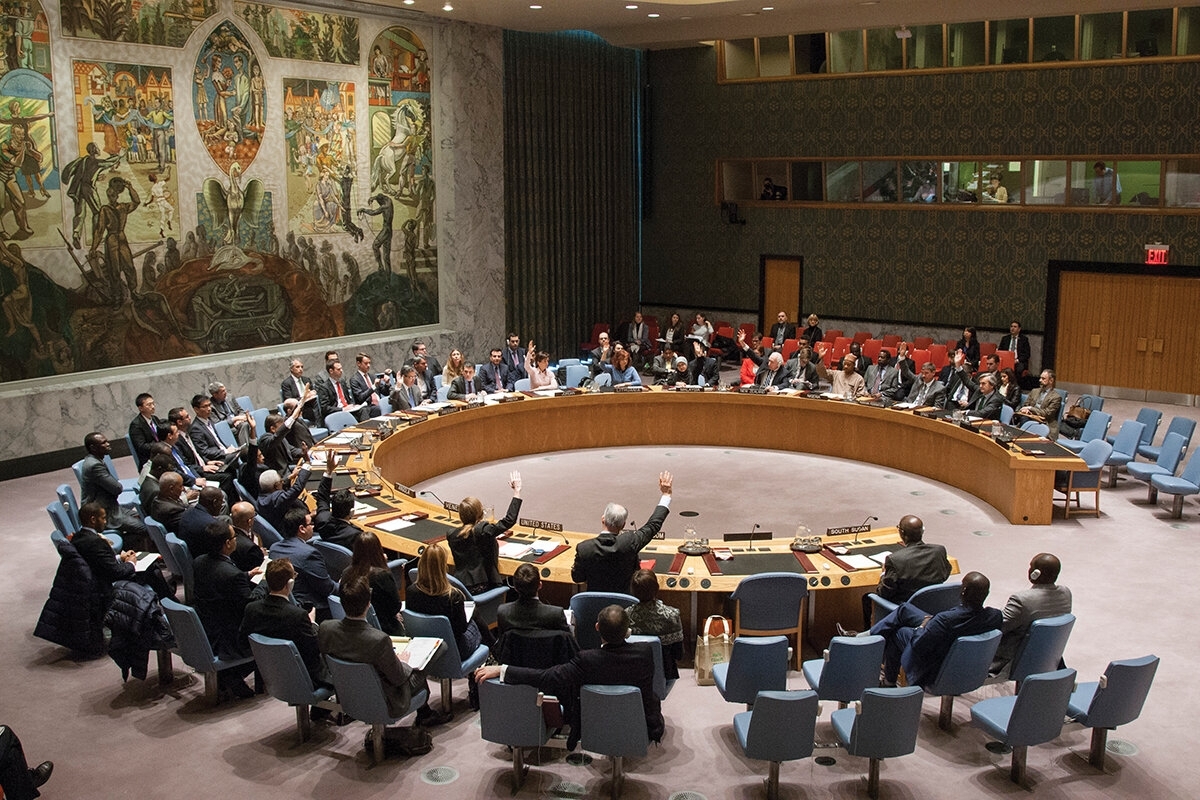
Erbil, Kurdistan Region – The Kurdistan Region on Saturday commemorated the 34th anniversary of United Nations Security Council Resolution 688, a landmark decision adopted on April 5, 1991, that established international protection for the Kurdish people and imposed a no-fly zone over northern Iraq.
Kurdistan Region Prime Minister Masrour Barzani emphasized the resolution’s lasting impact in a statement on his official X account.
"The international community rallied to safeguard our people from genocide following UNSC Resolution 688 in 1991," PM Barzani stated. "Thirty-four years on, the Kurdistan Region stands as a sanctuary of coexistence. We thank the friends who helped us and continue to support our national prosperity."
The international community rallied to safeguard our people from genocide following UNSC Resolution 688 in 1991.
— Masrour Barzani (@masrourbarzani) April 5, 2025
Thirty-four years on, the Kurdistan Region stands as a sanctuary of coexistence. We thank the friends who helped us and continue to support our national prosperity. pic.twitter.com/6JR7SwvN9R
Resolution 688
The resolution was passed after urgent appeals from France, Iran, and Turkey, who raised alarms over the humanitarian crisis in Iraq following the brutal suppression of the 1991 Kurdish uprising. The crackdown triggered the "Great Exodus," displacing hundreds of thousands of Kurds toward the borders.
The resolution demanded that Iraq halt its repression of Kurds and permit international humanitarian aid. It passed with 10 votes in favor, while Yemen, Zimbabwe, and Cuba opposed it. China and India abstained.
Operation Provide Comfort and the No-Fly Zone
Resolution 688 laid the groundwork for Operation Provide Comfort, a U.S.-led coalition effort involving the U.S., UK, and France. The operation enforced a no-fly zone north of the 36th parallel, barring Iraqi military aircraft from Kurdish airspace. This intervention prevented further aerial attacks by Saddam Hussein’s regime and protected displaced Kurdish civilians, paving the way for the Kurdistan Region’s eventual autonomy.
A Legacy of Survival and Stability
The anniversary serves as a reminder of the Kurds’ historical struggles and the pivotal role of international intervention in securing their safety. Today, the Kurdistan Region is a constitutionally recognized federal entity in Iraq, known for its stability and multicultural coexistence.
As the Region reflects on its past, leaders reaffirm their commitment to preserving the gains achieved since 1991 while seeking continued international partnership for future prosperity.