APIKUR Urges Resumption of Oil Exports from Kurdistan Amid Financial Losses
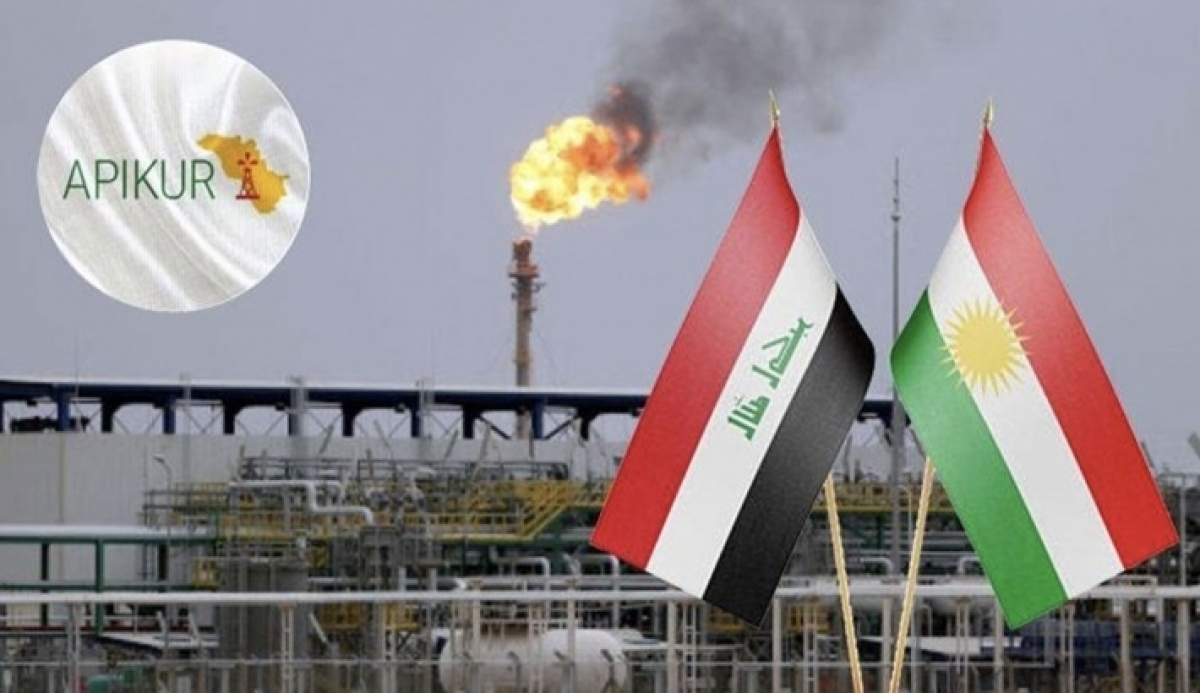
Erbil, Kurdistan Region – The Association of the Petroleum Industry of Kurdistan (APIKUR) has renewed its call for the immediate resumption of oil exports from the Kurdistan Region, warning that the prolonged shutdown of the Iraq-Turkey Pipeline (ITP) has inflicted severe financial damage on international oil companies operating in the region.
In a statement posted on X (formerly Twitter), APIKUR emphasized that its member companies have been actively engaged in negotiations with the Iraqi federal government in Baghdad but have yet to secure a resolution. The group highlighted that the continued closure of the pipeline has forced them to sell crude oil locally at steep discounts—far below global market rates.
“Our investments have been fundamentally harmed by the closure of the Iraq-Turkey pipeline and being forced to sell at a significant discount to international market prices,” APIKUR stated. The association noted that current global oil prices are nearly double the rates at which crude is being sold domestically.
APIKUR member companies are in a “hurry” to resume oil exports, and have been at forefront to push negotiations with Baghdad.
— APIKUR (@apikur_oil) April 3, 2025
Our investments have been fundamentally harmed by the closure of the Iraq-Türkiye pipeline and being forced to sell at a significant discount of… https://t.co/Wmp47yxCEz
$400 Million in Investments on Hold
APIKUR revealed that its members have suspended approximately $400 million in planned investments due to the export stoppage. The group stressed that these funds will only be reinvested once the ITP reopens and international oil companies (IOCs) receive assurances regarding their contractual rights.
“We are ready to resume exports upon reaching agreements with the Government of Iraq and the Kurdistan Regional Government. Protecting our rights and investments is essential,” the statement read. APIKUR added that it has formally communicated these concerns to all relevant stakeholders.
A Year-Long Standoff
Oil exports from the Kurdistan Region were halted in March 2023 after Turkey suspended operations through the ITP following an International Chamber of Commerce (ICC) arbitration ruling in favor of Iraq. The ruling determined that Turkey had violated a 1973 agreement by allowing Kurdish oil exports without Baghdad’s approval.
Since then, negotiations between the Kurdistan Regional Government (KRG) and the Iraqi federal government have stalled over issues including revenue-sharing, contract recognition, and payment mechanisms for international oil companies.
APIKUR, which represents major IOCs in the region, has repeatedly called for a resolution that ensures fair market access, legal protections, and financial stability for its members. The association has warned that further delays could lead to long-term damage to Kurdistan’s oil sector and deter future foreign investment.
Industry in Limbo
The Kurdistan Region’s oil industry, which previously exported around 450,000 barrels per day (bpd) via the ITP, has faced significant disruptions, with many companies scaling back operations. Local sales have provided minimal relief, as prices remain far below international benchmarks.
APIKUR’s latest statement underscores growing frustration among oil firms as the standoff enters its second year. The association has urged both Baghdad and Erbil to expedite negotiations and reopen the pipeline to prevent further economic losses.
As talks continue, the future of Kurdistan’s oil exports—and the billions of dollars in revenue they generate—remains uncertain.