Iran Downplays U.S. Military Threat, Open to Diplomacy Amid Nuclear Tensions
State Media Reports Tehran’s Readiness for "Threats and Diplomacy" as U.S. Signals Willingness to Negotiate
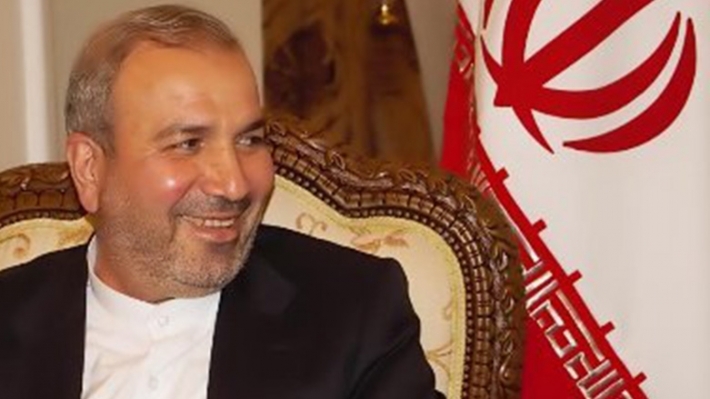
Iran’s Foreign Minister Abbas Araghchi on Friday dismissed the likelihood of U.S. military action against the Islamic Republic but affirmed Tehran’s readiness for both confrontation and diplomacy as Washington hints at renewed nuclear negotiations.
“Anyone who speaks to the Iranian people with the language of threats will receive the same response,” Araghchi told Iran’s state-run Al-Alam news network. “We are fully ready for both threats and diplomacy.”
His remarks came after U.S. President Donald Trump reiterated his preference for diplomatic engagement with Tehran but warned of severe consequences if talks fail.
“We can either have to talk and talk it out, or very bad things are going to happen to Iran,” Trump said on Friday.
Earlier this month, Trump revealed that he had sent a letter to Iran’s Supreme Leader Ayatollah Ali Khamenei, signaling openness to new nuclear negotiations while threatening military action if Iran refuses to cooperate.
“If we have to go in militarily, it’s going to be a terrible thing for them,” Trump told Fox Business on March 7. The letter was reportedly delivered through an Emirati intermediary.
Araghchi ruled out direct talks with Washington but left the door open for indirect negotiations, stating they “can continue if necessary.”
Collapse of the 2015 Nuclear Deal
The tensions stem from the unraveling of the 2015 Joint Comprehensive Plan of Action (JCPOA), under which Iran agreed to limit its nuclear enrichment in exchange for sanctions relief. The deal collapsed in 2018 when Trump unilaterally withdrew the U.S. and reimposed harsh economic sanctions.
After waiting a year, Iran gradually resumed nuclear activities, increasing uranium enrichment beyond JCPOA limits.
Upon returning to office, Trump reinstated his “maximum pressure” campaign in early February, claiming Iran was “too close” to developing a nuclear weapon.
Regional Implications
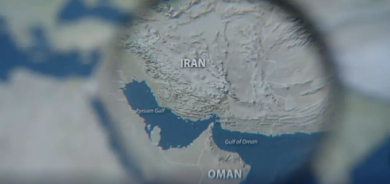
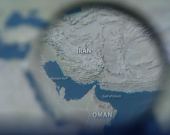
The standoff has heightened fears of military escalation in the Middle East, where Iran and U.S.-allied Gulf nations remain at odds. While Tehran insists its nuclear program is peaceful, Washington and its allies accuse Iran of seeking atomic weapons.
As both sides posture between threats and diplomacy, the risk of miscalculation looms, with global powers watching closely for the next move.