Israel Intensifies Military Campaign in Gaza, Syria, and Lebanon Amid Escalating Conflict
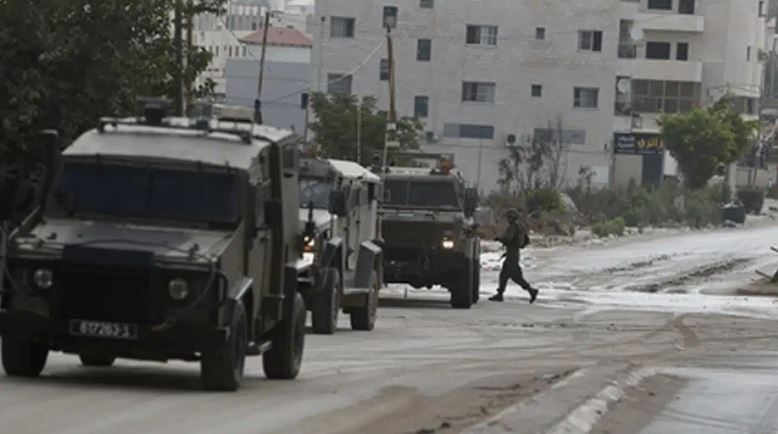
The Israeli military has launched a renewed offensive in Gaza, striking over 430 targets since resuming air and ground operations on March 18. According to Israeli officials, all targeted sites were identified as "terror sites" linked to militant groups. Gaza’s health authorities report that the attacks have killed approximately 830 people, with no Israeli fatalities reported since the campaign’s restart.
The latest escalation follows a two-month ceasefire, which ended after negotiations stalled. Since the broader conflict began on October 7, 2023, following a Hamas attack that killed around 1,200 Israelis, Gaza’s death toll has exceeded 50,000, according to local sources.
Expanded Strikes in Syria and Lebanon
Israel has also extended its military operations into Syria and Lebanon, targeting what it describes as Iranian-backed threats.
Syria: Over the past week, Israeli airstrikes hit 18 sites in Syria, including the Tadmur and T-4 military bases in Homs province. These strikes are part of Israel’s long-standing campaign to degrade Syria’s strategic weapons capabilities. Reports indicate that Israeli forces have also taken control of several Syrian army bases and the UN-monitored buffer zone along the Syrian-Israeli border.
Lebanon: On Saturday, Israel struck more than 40 Hezbollah positions in Lebanon in retaliation for rocket fire into northern Israel’s Galilee region. Despite a fragile November ceasefire, Israel has continued targeting Hezbollah’s military infrastructure near its northern border.
Missile Interceptions Amid Rising Tensions
Since hostilities resumed, Israel’s aerial defense systems have intercepted 14 missiles, including six from Yemen, three from Lebanon, and five from Gaza. The interceptions highlight the widening scope of the conflict, with regional factions increasingly involved.
Ongoing Military Operations
The Israeli government has vowed to continue its campaign, emphasizing its goal of dismantling militant networks across the region. With no immediate signs of de-escalation, the humanitarian crisis in Gaza deepens, while strikes in Syria and Lebanon risk further regional instability.
The international community remains divided on the crisis, with calls for renewed ceasefires clashing with Israel’s insistence on neutralizing security threats. As the conflict enters a more aggressive phase, fears grow over a broader regional war.