Iraq Faces Escalating Water Crisis, Millions at Risk: UNICEF and Iraqi Government Sound Alarm
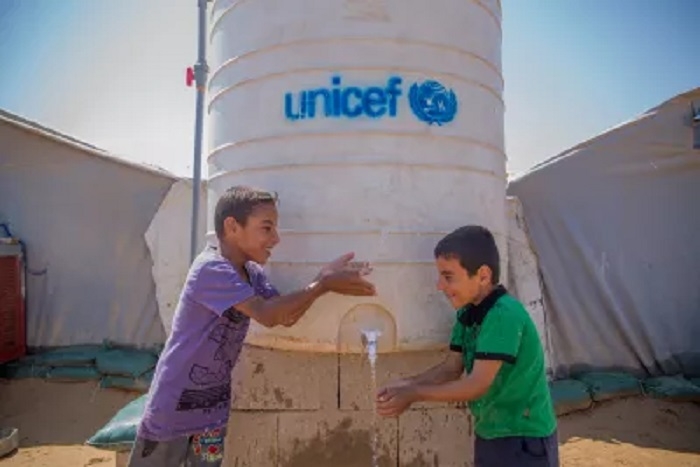
On World Water Day, the United Nations Children’s Fund (UNICEF) and Iraq’s General Directorate of Water issued a dire warning: millions of Iraqis, particularly children, are grappling with severe shortages of clean drinking water as climate change, plummeting river levels, and systemic challenges push the country deeper into crisis.
In a joint statement, the two agencies urged immediate action to protect Iraq’s shrinking water supplies, emphasizing the urgent need for sustainable solutions to combat water scarcity, which is fueling malnutrition, disease, and displacement.
A Race Against Time
“As water scarcity intensifies, safeguarding this vital resource is our collective responsibility,” said Ammar Adel, Director General of Iraq’s General Directorate of Water and head of the National Water Team. He revealed that strategic projects are already underway, including:
Updating water distribution master plans to improve efficiency.
Implementing automated systems for fairer water allocation.
Introducing water safety plans to ensure clean drinking supplies.
Launching public awareness campaigns on conservation.
Ali Ayoub, UNICEF’s Head of Water, Sanitation, and Hygiene, stressed the urgency of their mission: “We must reach the most vulnerable children and ensure they have access to safe water amid worsening shortages.” The initiative aligns with Sustainable Development Goal 6 (Clean Water and Sanitation), but the challenges are monumental.
Climate Change Devastates Iraq
The crisis extends far beyond water scarcity. According to the World Bank, Iraq ranks among the top five countries most affected by climate change, requiring over $233 billion by 2040 to transition toward climate resilience.
Fadhel al-Gharawi, head of the Strategic Center for Human Rights, told the National Iraqi News Agency (INA) that Iraq has already lost 30% of its agricultural land to rising temperatures, desertification, and drought. Key findings include:
Temperatures have risen by 1.2°C since the mid-20th century and could increase by another 2.5°C by 2050.
Freshwater availability has dropped below 1,000 cubic meters per capita annually, signaling severe water stress.
39% of Iraq’s land is now desertified, with 54% at risk of degradation.
Tigris and Euphrates river levels have halved due to upstream dams and reduced rainfall.
Health and Environmental Collapse
The environmental breakdown is exacerbating public health crises:
Air pollution is surging in Baghdad and Basra, driven by fossil fuel reliance and 3% annual growth in CO₂ emissions, worsening respiratory diseases.
Sand and dust storms now occur 272 days a year in some regions—a number expected to reach 300 by 2030.
A Call for Global Action
While UNICEF and Iraq’s government are mobilizing resources, the scale of the crisis demands international intervention. World Water Day served as a stark reminder: Iraq’s environmental emergency threatens not just ecosystems but the nation’s stability, health, and economic survival.
Without urgent, coordinated action, millions more Iraqis could face displacement, famine, and irreversible ecological damage. The time to act is now.