Over 23,000 Iraqi Families Remain in Camps in Kurdistan Region as Returns Slow Down
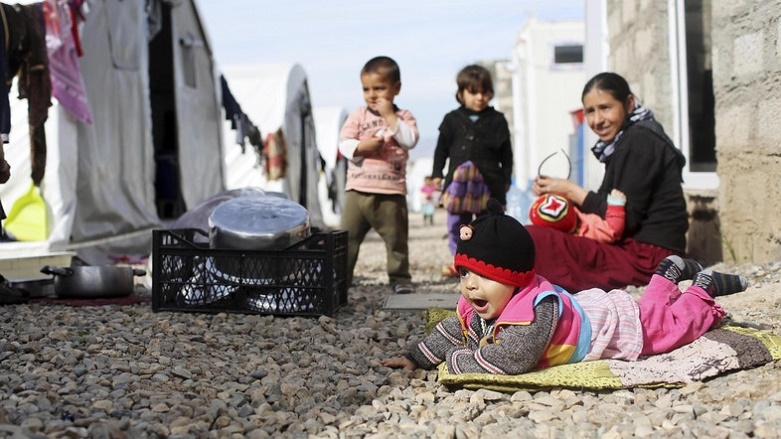
Iraq’s Ministry of Migration and Displaced Persons reported on Wednesday that approximately 23,000 internally displaced families remain in camps across Erbil and Duhok provinces in the Kurdistan Region, while the return process to their hometowns has slowed significantly.
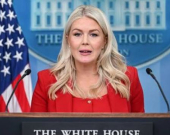
Ministry spokesperson Ali Abbas stated that while camps in Sulaimani province have been closed, the number of families still residing in camps in Erbil and Duhok remains high. “The return of IDPs has slowed down, but it is expected to increase with the start of the summer break and the end of the current school year,” Abbas told Rudaw.
The slowdown in returns comes as compensation payments for displaced families seeking to return home have been paused due to a lack of funds. Last year, the Iraqi government announced a plan to provide four million dinars (approximately $3,050) to each returning family as part of broader efforts to encourage displaced persons to leave the camps. Other incentives include job opportunities in the public and private sectors, monthly social security stipends for low-income individuals, and interest-free bank loans.
Despite these measures, many families remain hesitant to return to their areas of origin due to ongoing violence, a lack of reconstruction, and insufficient basic services. Some who voluntarily left the camps have been forced to return due to these challenges.
In December 2023, Abbas reported that over 10,000 displaced families—more than 100,000 individuals—had returned to their homes across Iraq in 2024. However, the overall pace of returns has been sluggish, with many camps in the Kurdistan Region struggling with funding shortages as the humanitarian focus shifts from emergency response to long-term development and stabilization.
Human rights advocates have raised concerns about Iraq’s efforts to close displacement camps, emphasizing that returns must be safe, voluntary, and dignified. They warn that forcing families to return to unstable or underdeveloped areas could exacerbate their hardships.
As the Iraqi government continues to push for camp closures, the plight of displaced families highlights the complex challenges of rebuilding communities devastated by conflict and ensuring sustainable returns for those who have been displaced for years.