Kurdish National Council Unaware of Landmark Agreement Between Syrian Interim President and SDF Chief
The Kurdish National Council (ENKS/KNC) in northeast Syria (Rojava) stated on Monday that it was unaware of a recent landmark meeting between Syria's interim President Ahmed al-Sharaa and Mazloum Abdi, the chief of the Kurdish-led Syrian Democratic Forces (SDF). The two leaders signed a significant agreement to integrate the SDF into Syrian state institutions, a move that has sparked mixed reactions among Kurdish groups.
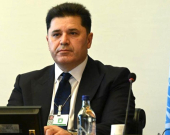
ENKS spokesperson Faisal Youssef told Rudaw that the council had not been informed about the agreement and would need to convene before announcing its official position. "The council must convene, then we will announce our position on the agreement," Youssef said.
The agreement, signed on Monday, recognizes the Kurds as an integral part of Syrian society and includes provisions for a nationwide ceasefire and the return of displaced Syrians to their hometowns. The Syrian Presidency stated that the deal is set to be implemented “no later than the end of the year.”
The ENKS, an umbrella group of Kurdish opposition parties in northeast Syria, has often been at odds with the SDF and its political wing, the Syrian Democratic Council (SDC). The council has repeatedly accused the Damascus government of marginalizing Kurds, particularly after they were excluded from last month’s National Dialogue Conference and the committee tasked with drafting a constitutional declaration.
Mazloum Abdi, the SDF chief, welcomed the agreement on Tuesday, describing it as “a real opportunity to build a new Syria that embraces its components and guarantees a good neighborhood.” He emphasized the importance of inclusivity and cooperation in shaping Syria’s future.
The agreement marks a significant step in the ongoing efforts to resolve the Syrian conflict, which has lasted over a decade. However, the lack of consultation with key Kurdish groups like the ENKS raises questions about the inclusivity and long-term viability of the deal. Kurdish parties in Rojava have long sought greater political representation and recognition of their rights within the Syrian state.
As the situation develops, the ENKS is expected to hold discussions to determine its stance on the agreement, which could have far-reaching implications for the Kurdish population in Syria and the broader political landscape.