Iraq Faces Looming Energy Crisis as Iranian Gas Imports End
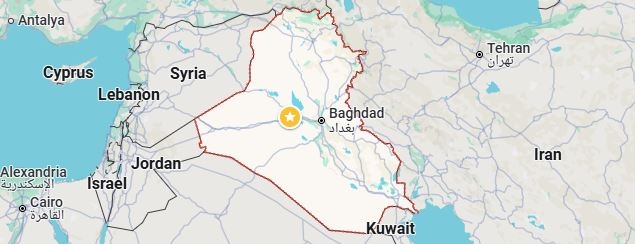
Iraq is on the verge of a severe energy crisis as its reliance on Iranian gas and electricity is set to end in just eight days. The impending cutoff has raised concerns over potential power shortages, as the country struggles with mounting international pressure and internal infrastructure challenges.
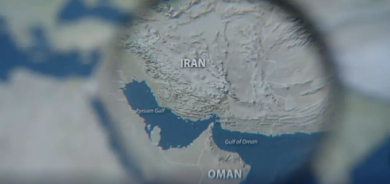
For more than two decades, successive Iraqi governments have failed to develop a self-sufficient energy sector, leaving the country heavily dependent on imports. Political motivations, inadequate infrastructure, and poor planning have contributed to Iraq’s reliance on Iran, which supplies up to 40% of the country’s electricity and gas needs.
To address its energy deficit, Iraq signed a five-year, $20 billion energy agreement with Iran. However, the terms of the deal have undergone continuous revisions, leaving Iraq in a precarious position. In July 2023, Iraq attempted to shift towards self-reliance by exporting crude oil instead of importing energy, but progress has been slow.
In the short term, Iraq is expected to turn to oil and gas supplies from the Kurdistan Region while seeking alternative energy sources. The government has also signed agreements with Western energy companies to diversify its energy partnerships. However, pressure from the United States and European nations to reduce dependence on Iran has complicated Iraq’s energy strategy.
Currently, Iraq generates 26,000 megawatts of electricity—far short of the 40,000 megawatts required to meet national demand. Additionally, the country needs 55 million cubic meters of gas per day to sustain its power sector. Experts warn that without significant investment in domestic energy infrastructure, Iraq will remain vulnerable to external influences and face prolonged instability in its power supply.
With the final countdown to the end of Iranian gas imports underway, Iraq must urgently implement long-term solutions to avoid an energy catastrophe. The coming weeks will be critical as the nation navigates this challenging transition and seeks sustainable alternatives to secure its power sector.