Ceasefire Agreement Reached in Nagorno-Karabakh Conflict
In a significant development, ethnic-Armenian forces in Nagorno-Karabakh have agreed to a ceasefire proposal put forward by Russian mediators, ending a 24-hour offensive by Azerbaijan's army. This ceasefire comes after Azerbaijan demanded a full surrender from Karabakh, leading to renewed hostilities in the region.
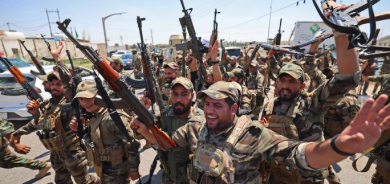
Key points of the ceasefire agreement include the acceptance of complete disarmament by Karabakh forces. Nagorno-Karabakh, a mountainous enclave in the South Caucasus, is internationally recognized as part of Azerbaijan, but it has a predominantly ethnic Armenian population, which has led to decades of conflict.
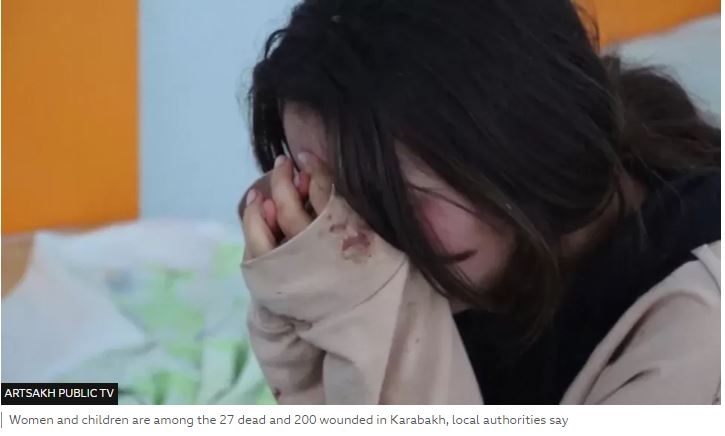
Reports indicate that since the Azerbaijani military launched what it termed "anti-terror" operations, at least 32 people have been killed and around 200 others wounded in the region.
Azerbaijan's presidency has announced that officials will meet with Armenian representatives from Karabakh to discuss "issues of re-integration" in the Azerbaijani town of Yevlakh, located approximately 100 kilometers (60 miles) north of Karabakh's regional capital, Khankendi (known as Stepanakert by Armenians).
Leaders in Nagorno-Karabakh have confirmed that, with the mediation of Russian peacekeepers, an agreement has been reached for a complete cessation of hostilities, which came into effect at 13:00 local time (09:00 GMT). Despite the ceasefire, reports suggest that loud explosions could still be heard in the regional capital, prompting Karabakh officials to urge residents to remain in shelters and not attempt to leave the area.
The Nagorno-Karabakh conflict has a long history, with Armenia and Azerbaijan having fought two wars over the region since the collapse of the Soviet Union. The most recent six-week war in 2020 resulted in several thousand casualties and allowed Azerbaijan, with support from Turkey, to recapture territories surrounding and within the enclave.
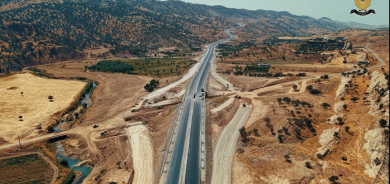
Over the past nine months, Azerbaijan has imposed an effective blockade on the Lachin Corridor, the only road connecting Karabakh to Armenia. This blockade has caused shortages of essential supplies, including food, medicines, and toiletries, for the ethnic Armenian population in the region.
The ceasefire agreement initially involved the deployment of 2,000 Russian peacekeepers to monitor the situation. However, Russia's focus on its ongoing conflict in Ukraine has raised questions about its commitment to the Nagorno-Karabakh issue, despite Armenia being a member of Russia's CSTO military alliance.
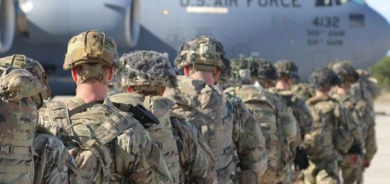
Last May, Armenian Prime Minister Nikol Pashinyan expressed readiness to recognize Nagorno-Karabakh as part of Azerbaijan in exchange for the security of the ethnic Armenian population. This statement, along with Armenia's increasing cooperation with Western countries, including military exercises with the US military, has strained relations between Armenia and Russia.
While the ceasefire terms also stipulate the withdrawal of Armenian forces, Yerevan has denied having any troops in the region. The agreement further calls for the complete disarmament and disbanding of local Karabakh forces.
The situation in Nagorno-Karabakh remains fragile, and international observers will closely monitor developments to ensure the successful implementation of the ceasefire agreement.