Iran's domestic dispute about nuclear policy intensifies
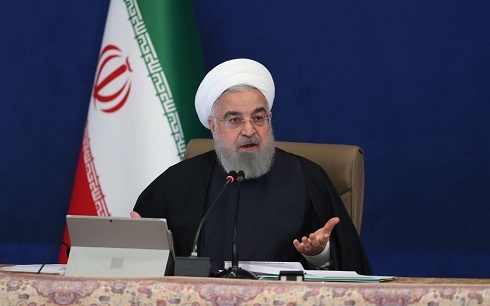
Rowhani was meant to submit the bill to relevant authorities within five days of its passing, "but this did not happen and the deadline has now expired," parliamentary speaker Mohammad Bagher Ghalibaf said on Wednesday according to local media reports.
Although Ghalibaf could legally implement the bill without Rowhani's approval, this would be a first in Iranian domestic policy, and it is unclear what will happen next.
Observers believe that Supreme Leader Ayatollah Ali Khamenei will make a decision.
The law in question, which was passed by hardliners and Rowhani's opponents, foresees that the Iranian Atomic Energy Agency (AEOI) should produce and store 120 kilograms of 20-per-cent enriched uranium per year.
In the longer term, the supply of low-enriched uranium is to be increased to 500 kilograms per month and faster centrifuges are also to be manufactured.
The politically sensitive part of the law is Iran's withdrawal from the additional protocol of the International Atomic Energy Agency (IAEA), which would then also restrict or even prohibit the access to Iran's nuclear sites by UN inspectors.
The law runs counter to key aspects of the 2015 nuclear agreement with major powers, which was intended to deter Iran from a nuclear weapons programme in return for the lifting of sanctions.
Rowhani has warned against the bill and urged hardliners not to interfere with nuclear policy, fearing this could hamper negotiations to save the nuclear deal.