Kurdistan Region residents struggle with depression amid sinking economy and pandemic
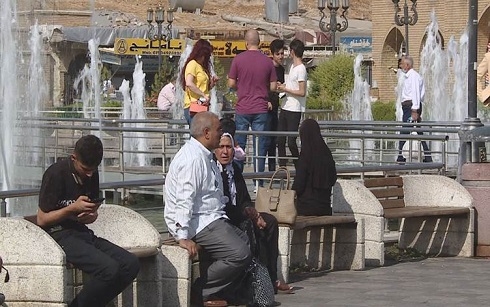
"The situation of Kurdistan is very disturbing. Though I narrowly make ends meet, there are people out there who cannot even pay the rent of their shop or their house," Shwan Sabir, a worker in Erbil told Rudaw on Monday. "Our [government] employees are paid only once in two months or so."
The spread of the virus, a dramatic drop of oil prices, and the cutting of the Region’s budget share from Baghdad has put the Kurdistan Regional Government (KRG) in a difficult situation. It has failed to pay its civil servants in full and on time, causing a number of strikes by public employees.
"Who does not feel angry?" Sarkawt Qadir, a calligrapher, also in the Kurdistan Region's capital, wondered. "I am on the surface, looking fine, but the inner me is crumbling... because of a lack of a job, which has destroyed our people.”
He added that the government's inability to pay civil servants has affected all businesses.
The KRG imposed several lockdowns when the virus began spreading in the Region this spring, which many say affected their mental health. However, most of the restrictions were lifted around June, after several protests were held, demanding the reopening of businesses.
With those in the public sector unpaid and those in the private sector suffering massive losses from coronavirus measures, many have been left penniless.
"I have not sold enough since I opened my shop in the morning. And when I go back home, I realize that lies on my shoulders responsibilities of covering the expenses of my family, my children and their school. I need money," Tamar Mohammed, another shop owner said, noting he is suffering from depression. "If people have money and a job and receive their salaries, then they will not experience this accumulation of depression."
Though, Erbil and Baghdad reached a temporary deal in mid-August that commits the federal government to sending 320 billion dinars ($268 million) per month in order for the Kurdistan Regional Government (KRG) to pay its civil servants for August, September, and October, the two sides have not yet been able to cement a once-and-for-all agreement over the budget and oil. Kurdish officials have openly said they cannot pay civil servants without money from the federal government.
"From January to July 2020, 103 people committed suicide,” said Ziya Petros, head of the Kurdistan Region's Independent Board of Human Rights, told Rudaw in September.
A sociologist working at the Family Consultancy Center in Sulaimani says many suicides in the Kurdistan Region can be attributed to psychological disorders and depression.
"According to our estimates, 35 to 75 percent of suicides come from mental illness," Saman Siwaily previously told Rudaw English.
Contributing factors for depression-induced suicide include "staggering unemployment, romantic issues, forced marriage of women, bankruptcy among businessmen, the revelation of scandals and other social related issues," he added.
"We leave our homes angrily. We go back home angrily," Dilshad Salim, a shop owner in Erbil's Langa Bazaar, said.
Rudaw