Oil Prices Rise as Iran Conflict Reshapes Global Energy Market
Oil prices rose further on Tuesday as renewed military exchanges between the United States and Iran, along with U.S. President Donald Trump’s vow to hit Tehran “hard,” intensified fears of a wider regional escalation following weeks of relative calm.
The growing tensions have also strengthened the position of oil producers across the Americas. From Canada to Argentina, producers have benefited from higher demand and have captured market share previously held by Middle Eastern exporters affected by the conflict.
Analysts say the renewed global focus on energy security could turn what began as an emergency response to the disruption into a lasting structural shift in the international oil market.
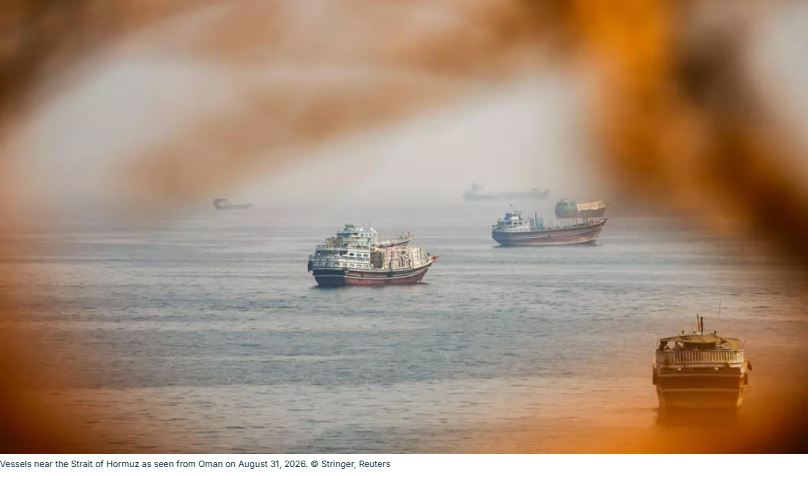
Oil production in the Americas has increasingly emerged as an alternative to the Middle East’s vast hydrocarbon resources since the outbreak of the Iran war and the closure of the Strait of Hormuz six months ago. The closure disrupted roughly one-fifth of global oil supplies and prompted countries and energy companies to seek more reliable sources of crude.
The shift represents one of the most significant changes in the global energy landscape in decades, with producers across North, Central and South America expanding their role in international markets.
Crude exports from the Americas reached a record-high average of 11.7 million barrels per day (bpd) during 2026, compared with 10.3 million bpd in 2025, according to Kpler data. The figure is also nearly double the region’s export volume a decade ago.
The United States remains the largest exporter in the region, with exports averaging 4.4 million bpd this year, followed by Brazil with 2.5 million bpd.