Pezeshkian Says Iran Ready to Return to June MoU if US Resumes Commitments
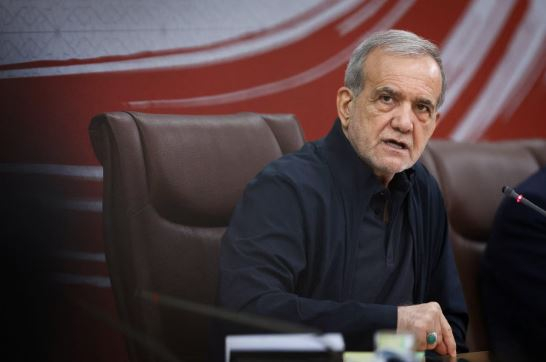
Iranian President Masoud Pezeshkian said Tuesday that Tehran is prepared to return to the June memorandum of understanding with the United States if Washington resumes its commitments, following a renewed exchange of strikes between the two sides.
Speaking at a Shanghai Cooperation Organization summit in Bishkek, Pezeshkian said Iran would immediately reciprocate if the United States returned to its obligations under the agreement.
“I am saying frankly that if the US returns to its commitments in the aforementioned Memorandum of Understanding, the Islamic Republic of Iran will immediately reciprocate,” Pezeshkian said, according to a statement from the Iranian presidency.
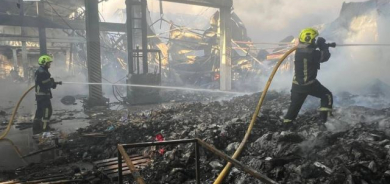
The comments came after US and Iranian strikes resumed late Sunday following a month-long pause. The latest escalation followed a US aerial strike on Iran’s southern island of Larak that reportedly caused casualties.
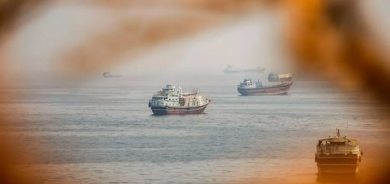
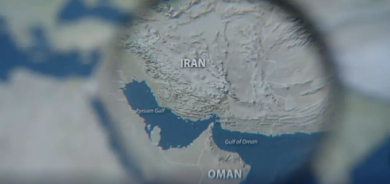
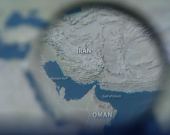
The Strait of Hormuz has remained a major point of contention between Tehran and Washington. Iran has repeatedly asserted sovereign control over the strategic waterway, through which roughly one-fifth of the world's energy supplies transit.
The confrontation dates back to February 28, when the United States and Israel launched a joint aerial campaign against Iran, striking thousands of targets across the country. The two sides subsequently reached a preliminary ceasefire in early April before signing the Islamabad Memorandum of Understanding in mid-June.
The MoU established a truce and provided a 60-day period for negotiations toward a permanent agreement. However, the deadline passed in August without a final deal.
Among the conditions sought by Iran under the 14-point framework were an end to the US blockade, the withdrawal of US forces from the Strait of Hormuz, sanctions waivers allowing Iranian oil to return to international markets, and the release of frozen Iranian assets.
Iran also insisted on recognition of what it described as its sovereign right to establish a fee-collection system in the Strait, a demand rejected by the United States and international bodies.
Pezeshkian said Tuesday that Washington's commitment to the MoU lasted less than two weeks before, in Tehran's view, the United States began making excessive demands and abandoning its commitments. He said Iran's subsequent actions represented a proportionate response to what it considered violations of the agreement.
Iran Seeks Alternative Economic Partnerships
Alongside his calls for a return to the MoU, Pezeshkian used the Shanghai Cooperation Organization summit to strengthen Iran's economic and diplomatic ties with regional powers.
The Iranian president met with India's prime minister, the president of Kyrgyzstan and leaders from Kazakhstan. He also said Tehran was ready to pursue initiatives aimed at expanding political, economic, scientific and cultural cooperation with its regional partners.
Pezeshkian proposed three initiatives at the summit, including deeper financial and banking cooperation and greater use of national currencies in trade settlements.
The push reflects Iran's growing effort to develop alternative economic and financial partnerships as US sanctions and military pressure increasingly constrain its access to international markets.
Pezeshkian last week rejected new US sanctions, saying they would “not achieve anything.” He also acknowledged the growing pressure on Iran's economy, saying trade routes had been blocked and goods were no longer entering the country.
“Gasoline is one of those goods,” he said in remarks broadcast on Iranian state television, directly linking fuel shortages and economic difficulties to the conflict and disrupted trade routes.
He added that government revenues had fallen and warned that even if trade routes reopened, Tehran would still need additional funds to purchase gasoline.
US Tightens Financial Pressure
The latest developments come as Washington has intensified its sanctions campaign against Iran.
On Friday, the US Treasury moved to cut the UAE branch of Egypt's Banque Misr from the US financial system, describing it as a “critical node” in Iranian illicit finance.
The action formed part of a broader US sanctions campaign known as Operation Economic Outcast, which Washington says is aimed at restricting Iran's military capabilities and cutting off major sources of revenue.
The Treasury also announced sanctions against a Bank Melli Dubai manager and a Hong Kong-based front company that it accused of helping launder funds for a sanctioned Iranian exchange house.
According to the Treasury, Banque Misr UAE processed approximately $1.8 billion for 103 companies that may have been connected to Iran's alleged shadow banking network, which Washington says uses front companies to evade sanctions and move funds.
Pressure Builds Over Strait of Hormuz
Iran said Sunday that it was in no hurry to reopen the Strait of Hormuz, despite reaching an understanding with Oman.
However, Pezeshkian's calls for “sustainable security” with Iran's West Asian neighbors, alongside his willingness to return to the June MoU, indicate that Tehran is facing growing pressure from the combined effects of military confrontation, sanctions and restrictions on trade.
With the Strait remaining a critical artery for global energy supplies, any prolonged disruption could have consequences far beyond Iran and the United States.
For Tehran, the challenge is increasingly twofold: maintaining its position in the confrontation with Washington while preventing mounting restrictions on trade, energy supplies and government revenues from pushing the Iranian economy into a deeper crisis.