Guatemala Issues High-Level Alert as Volcán de Fuego Erupts, Evacuations Ordered
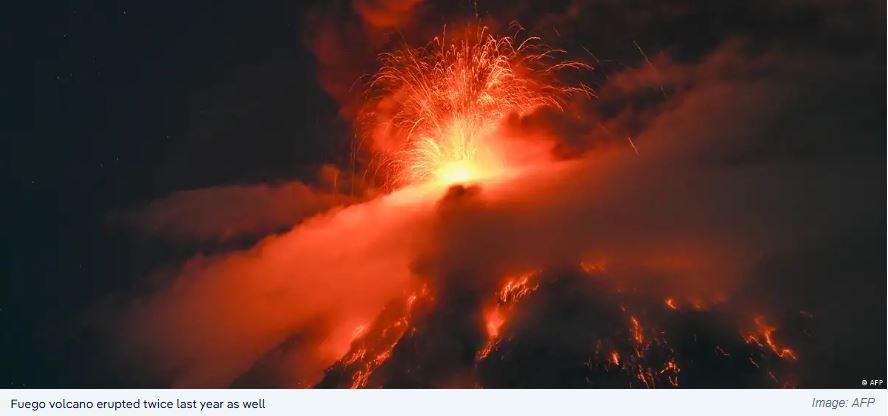
Guatemala has declared its second-highest disaster alert after Volcán de Fuego, one of Central America's most active volcanoes, entered what authorities describe as its most intense eruptive phase.
The country's disaster management agency, CONRED, issued an orange alert on Tuesday and ordered the evacuation of several communities located near the volcano. Residents have been urged to seek refuge in emergency shelters as lava, gas, and ash continue to erupt from the volcano.
Columns of volcanic material have risen approximately 4 kilometers (2.5 miles) into the sky, while ash clouds have spread up to 60 kilometers (37 miles) west of the volcano, raising concerns over potential disruptions to air traffic. Schools in the affected areas have been closed, and some businesses have temporarily suspended operations.
The Guatemalan Institute of Seismology and Volcanology warned that Volcán de Fuego is currently experiencing its "most intense phase" of activity and advised the public to stay at least 10 kilometers (6.2 miles) away from the crater.
Despite official warnings, local media reported that some hikers continued climbing the nearby Acatenango Volcano to film the eruption for social media. Authorities have strongly urged visitors to leave the area immediately and comply with the safety restrictions.
Located about 40 kilometers (25 miles) southwest of Guatemala City, Volcán de Fuego stands nearly 3,800 meters (12,500 feet) above sea level on the Pacific Ring of Fire. The volcano has a long history of destructive eruptions, including the devastating 2018 event that killed around 200 people and left widespread destruction in nearby communities.