Iraq Weighs Sale of Saddam-Era Palaces and State Assets to Ease Financial Crisis
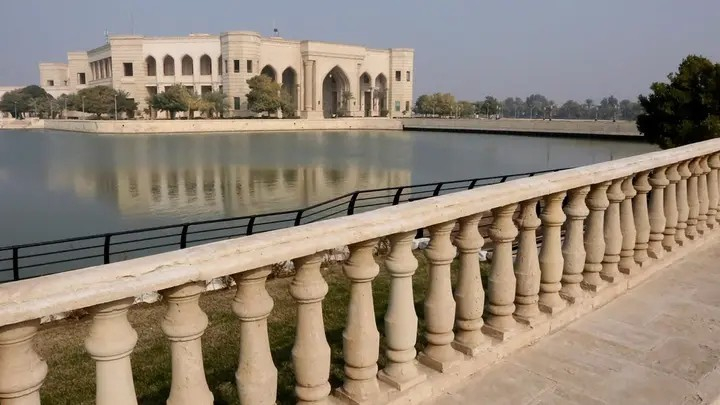
The Iraqi government is considering the sale of around 1,000 former presidential palaces and thousands of other state-owned properties dating back to the rule of former president Saddam Hussein, as it seeks new sources of revenue amid mounting financial pressures and growing concerns over its ability to sustain public-sector salary payments.
The former presidential palaces are part of an estimated 600,000 state-owned properties with a combined value believed to exceed $150 billion. The proposal has returned to the forefront of political debate as Baghdad faces widening budget deficits and increasing fiscal strain.
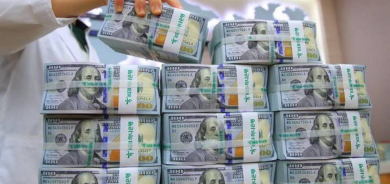
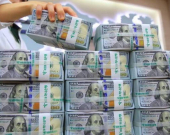
According to estimates cited in Iraqi media, the government requires approximately 8 trillion Iraqi dinars (around $6.1 billion) each month to pay public-sector salaries. Officials believe that the value of the state's property portfolio could, in theory, finance government wages for more than a year.
However, recovering and selling these assets presents significant challenges. Thousands of government-owned properties are reportedly occupied or controlled by political parties and armed groups, limiting the state's ability to dispose of them.
Figures from Iraq's Federal Board of Supreme Audit indicate that more than 20,000 government properties have been seized or occupied by political forces and armed factions. In addition, nearly 70 percent of state-owned properties were reportedly sold through non-transparent or legally questionable procedures in previous years, raising concerns about governance and accountability.
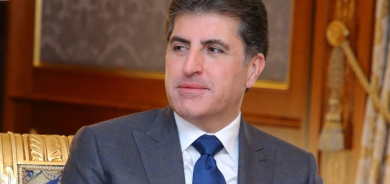
The proposal forms part of Prime Minister Mohammed Shia' al-Sudani's broader economic reform agenda, which has been described by some officials as an effort to move away from state-dominated economic policies by transferring ownership of debt-ridden public institutions to the private sector and reducing the government's financial burden.
The plan has sparked debate among politicians and economists over whether selling former presidential palaces and other public assets represents a sustainable solution to Iraq's fiscal challenges or merely provides temporary financial relief.
The palaces, constructed during Saddam Hussein's rule between 1979 and 2003, once symbolized the former president's authority and wealth. Following the 2003 U.S.-led invasion that toppled his regime, many of the compounds were converted into government offices, military facilities, museums, hotels and public institutions, while others were abandoned or became the subject of ownership disputes. Several remain under the control of influential political parties and armed groups.
Alongside the proposed asset sales, the government is reportedly considering borrowing 10 trillion Iraqi dinars to address immediate salary funding shortages. It is also pursuing plans to expand the Kirkuk–Ceyhan oil pipeline in an effort to boost oil exports and strengthen state revenues.