Millions Attend Funeral Procession for Iran’s Late Supreme Leader in Tehran
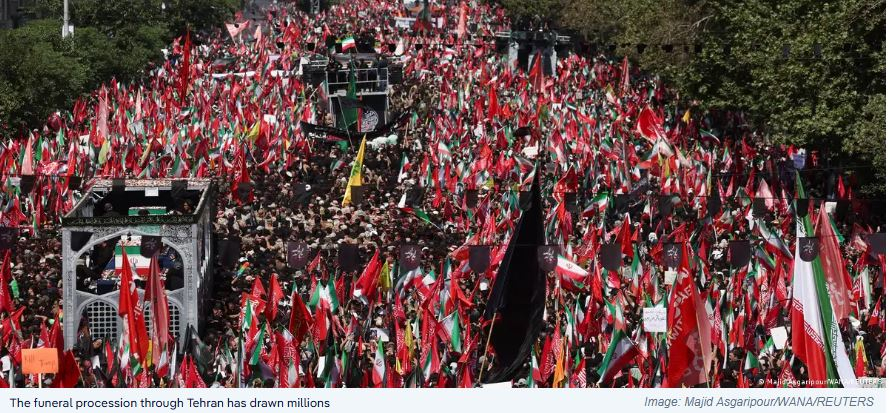
Millions of mourners filled the streets of Tehran on Sunday to participate in the funeral procession of Iran’s late Supreme Leader, Ayatollah Ali Khamenei, in what authorities described as a demonstration of national unity and resilience amid ongoing negotiations with the United States over a permanent end to the recent conflict.
Ayatollah Ali Khamenei, 86, was killed in an airstrike at the outset of the war launched against Iran by the United States and Israel on February 28. Several members of his family also lost their lives in the strike. Their coffins were carried together through the Iranian capital on a ceremonial truck decorated with ornate shrine-style grilles traditionally associated with holy Islamic sites.
State television broadcast aerial footage showing vast crowds stretching from Tehran’s Azadi (Freedom) Square for several kilometers along Azadi Street. Many mourners carried portraits of the late leader, Iranian flags, and banners expressing support for the Islamic Republic, while others chanted slogans condemning the United States and Israel.
Due to high summer temperatures, water mist was sprayed over participants to help cool the crowds during the procession, which officials said would last approximately 12 hours before concluding at Mehrabad International Airport.
General Hasan Hasanzadeh of the Islamic Revolutionary Guards Corps (IRGC), who is overseeing the funeral arrangements, said the official mourning period began on Saturday and will continue until Thursday, when Ayatollah Khamenei will be laid to rest at the Imam Reza Shrine in Mashhad, his birthplace.
One notable absence from the funeral ceremonies has been Ayatollah Mojtaba Khamenei, who has been appointed as Iran’s new Supreme Leader. According to reports, he has not appeared publicly since the airstrike that killed his father and is believed to be recovering from injuries sustained in the attack. Israel has previously indicated that senior Iranian leaders remain potential targets.
However, three of Ali Khamenei’s other sons made a rare public appearance during Sunday’s funeral ceremonies.
Meanwhile, diplomatic efforts to secure a lasting ceasefire and broader peace agreement between Iran and the United States appear to have been temporarily paused until the conclusion of the funeral observances.
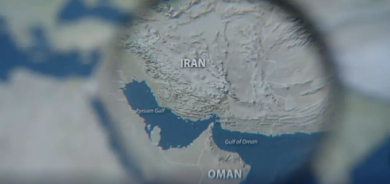
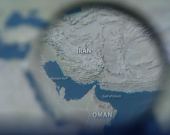
Negotiations have focused on several key issues, including the reopening of the Strait of Hormuz—a strategically vital global energy shipping route that was largely closed during the conflict—as well as Iran’s nuclear program. While the United States maintains that Tehran is seeking to develop nuclear weapons, Iranian officials continue to reject the allegation, insisting that the country's nuclear activities are exclusively for peaceful purposes.