Human Rights Center Urges Legal Protection for Corruption Informants to Ensure Success of Iraq’s ‘Dawn Crackdown’
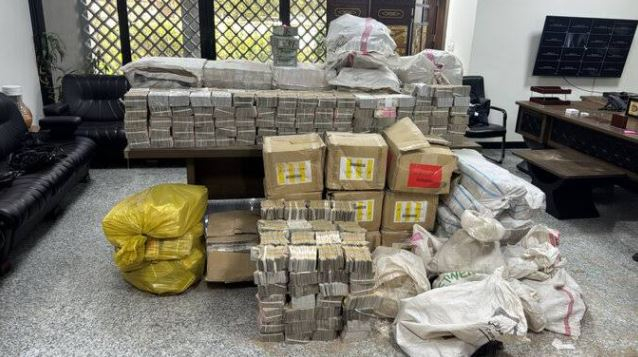
The Strategic Center for Human Rights on Monday called for stronger legal protections for corruption informants, warning that safeguarding whistleblowers from retaliation is essential to the success of Iraq’s nationwide Dawn Crackdown (Sawlat al-Fajr) anti-corruption campaign.
In a statement, the center welcomed the campaign as a significant step toward strengthening the rule of law and ensuring accountability for those involved in corruption. However, it stressed that the initiative can only achieve lasting results if citizens and public employees are able to report corruption without fear of retaliation, threats, or losing their jobs.
Describing whistleblowers as the “first line of defense” in protecting public funds, the center urged Iraq’s parliament, government, judiciary, and oversight institutions to expedite legislation that guarantees protection for witnesses, informants, and experts. It also called for the establishment of secure and confidential reporting mechanisms, noting that such measures are consistent with the provisions of the United Nations Convention against Corruption (UNCAC).
The center emphasized the vital role whistleblowers play in exposing bribery, embezzlement, and abuse of power. Citing estimates from the Organisation for Economic Co-operation and Development (OECD), it noted that nearly 43 percent of detected foreign corruption cases worldwide originate from individual reports or internal reporting systems.
It also referred to figures from Iraq’s Federal Integrity Commission, which show that authorities have received thousands of corruption reports in recent years. According to the commission, these reports have led to the referral of numerous suspects to the judiciary and the recovery of stolen public funds both inside Iraq and abroad.
The nationwide Dawn Crackdown campaign was launched on June 28 under the direction of Prime Minister Ali al-Zaidi, targeting current and former officials, lawmakers, politicians, business owners, ministers, directors-general, provincial governors, and other individuals suspected of corruption.
As part of the campaign, the Council of Ministers on July 4 instructed investigative committees to complete corruption-related cases within 60 days. The government also encouraged citizens to report public assets and funds obtained through corrupt practices, directing the relevant authorities to provide financial rewards to informants in accordance with Iraqi law.